English
  German
  Japanese
  Chinese
 Drawing on observations from the first six months of Euro NCAP 2026, Dr Andrew Pick, Director, Track Test Systems at AB Dynamics, shares five key lessons emerging from the industry's experience so far.
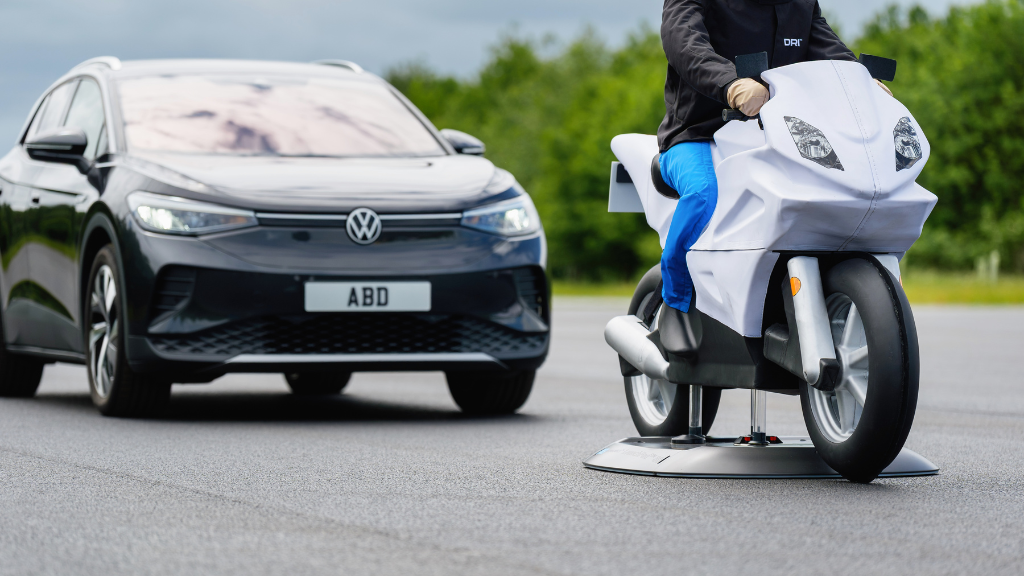
The introduction of Euro NCAP's 2026 protocols marked the most significant evolution of the programme in more than a decade. While much of the industry's attention ahead of launch focused on understanding the new requirements, six months of real-world implementation have revealed a different challenge. The issue isn't knowing what needs to be tested. It's finding the time and resources to complete it all.
As manufacturers, proving grounds and engineering teams adapt to the new reality, a few clear trends are beginning to emerge:
1. The challenge isn't compliance. It's capacity.
Ahead of implementation, the industry invested significant effort in understanding the new requirements and preparing validation programmes accordingly. The protocol changes were published well in advance, giving manufacturers time to plan.
Many teams are now experiencing that the biggest constraint is capacity.
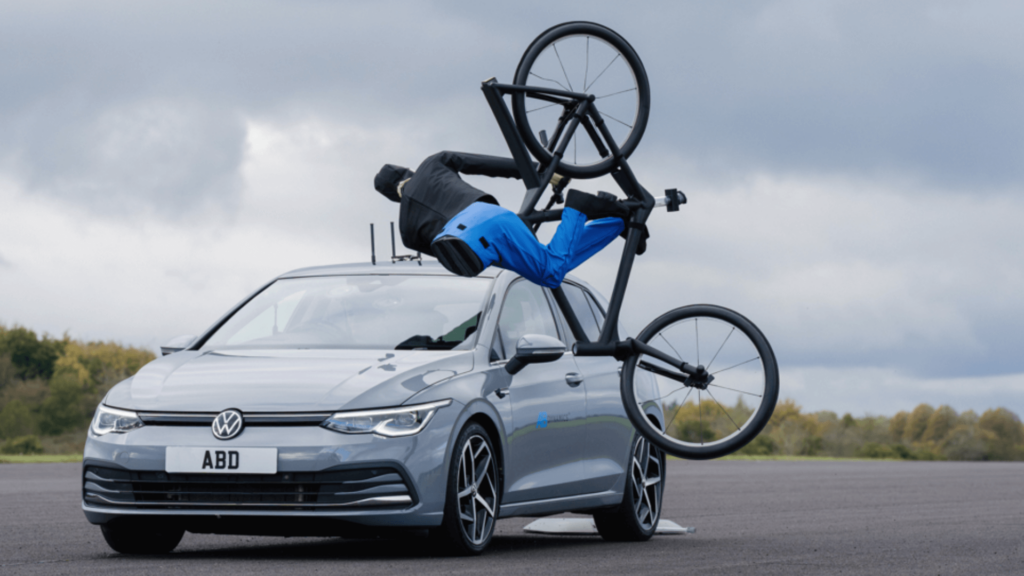
With more than 1,200 ADAS test variations included within the 2026 framework, compared with around 600 in the previous cycle, the amount of testing required has increased dramatically. Every additional scenario translates into more proving ground time, more engineering resource and greater pressure on already compressed development schedules.
For many organisations, the question is no longer "How do we meet the requirements?" but "How do we complete all the testing within the available time?"
2. Robustness testing has changed the economics of validation
Perhaps the most significant shift within Euro NCAP 2026 is the introduction of robustness testing.
Previous protocol cycles were largely based around fixed test points. Engineers could validate performance against a defined set of conditions, with relatively predictable testing requirements. The new approach reflects real-world driving more closely by introducing variations in parameters such as speed, overlap and positioning.
The result is a substantial increase in the number of test executions required to gain confidence in system performance.
A scenario that once required only a handful of runs can now expand into dozens of variations. Manufacturers must think beyond passing individual tests and instead demonstrate consistent performance across a much wider operational envelope.
This represents a fundamental shift in how ADAS validation programmes are planned and executed.
3. High-speed testing is creating new demands on equipment and facilities
Alongside the growth in scenario volume, the protocols have also pushed testing into new speed ranges. Hazardous crash avoidance frontal scenarios now extend to 130 km/h, while certain lane support assessments operate at speeds up to 140 km/h.
These higher speeds introduce new technical challenges. Target platforms and supporting equipment must deliver repeatable performance while maintaining stability, reliability and safety at significantly higher operating speeds than earlier protocol cycles demanded. They also place additional demands on proving grounds. Higher-speed tests often require more distance, increased preparation and longer execution windows, further contributing to pressure on track availability.
As testing requirements continue to evolve, equipment capability is increasingly becoming a key factor in programme efficiency.
4. Simulation is becoming more important, but physical testing remains critical
Euro NCAP 2026 is the first protocol cycle where virtual test data can be accepted as part of the assessment process. This is an important milestone and reflects the growing role of simulation throughout vehicle development. However, simulation is not removing the need for physical testing.
Confidence in virtual models depends on correlation with real-world behaviour. Manufacturers still need robust physical testing programmes to validate assumptions, confirm performance and ensure simulation results accurately represent vehicle behaviour. Rather than replacing physical testing, the most successful organisations are increasingly using simulation and track testing together, allowing each approach to strengthen and inform the other.
5. Efficiency is becoming a competitive advantage
Proving grounds, test engineers and development time are finite resources. Expanding capacity is possible, but it is rarely quick or inexpensive. Building new facilities takes years, while recruiting and developing specialist expertise is a long-term investment. As a result, many organisations are focusing on a more immediate opportunity: improving efficiency.
Questions such as how quickly tests can be configured, how repeatable results are, how rapidly data can be analysed and how effectively workflows are connected are becoming increasingly important. Organisations that reduce setup times, streamline execution and accelerate decision-making can extract significantly more value from every hour on track.
In an environment where testing demand continues to grow faster than available capacity, efficiency may prove to be one of the most valuable differentiators available to development teams.
Looking ahead
The ambitions behind Euro NCAP 2026 are unquestionably positive. The protocol raises expectations for vehicle safety and encourages manufacturers to demonstrate consistent ADAS performance across a broader range of real-world conditions. But if the first six months have taught the industry anything, it's that the greatest challenge isn't the complexity of the requirements themselves. It's the practical reality of completing more testing, with the same resources, in the same development timeframe.
As future protocol cycles continue to expand the scope of assessment, the organisations that succeed will be those that find ways to do more with every test, every engineer and every hour of track time.
To find out how AB Dynamics can support your Euro NCAP test programme, click here or contact us at info@abdynamics.com.