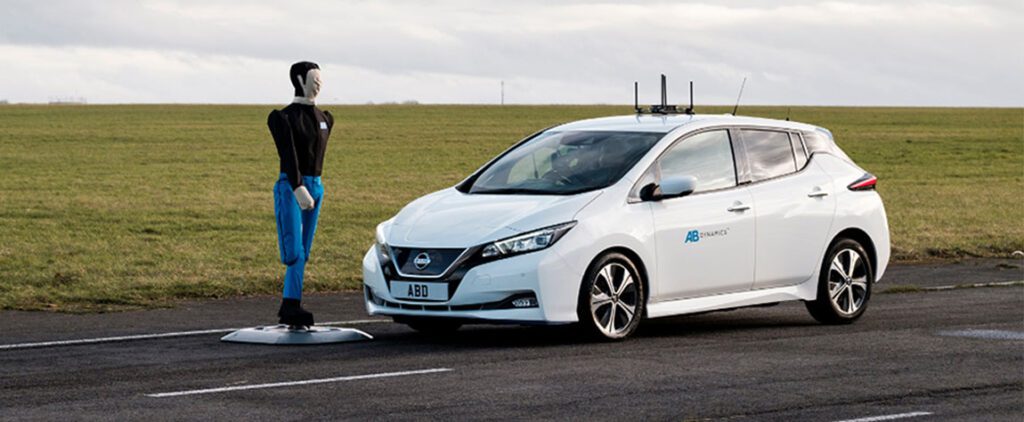
English
  German
  Japanese
  Chinese
 SR 150
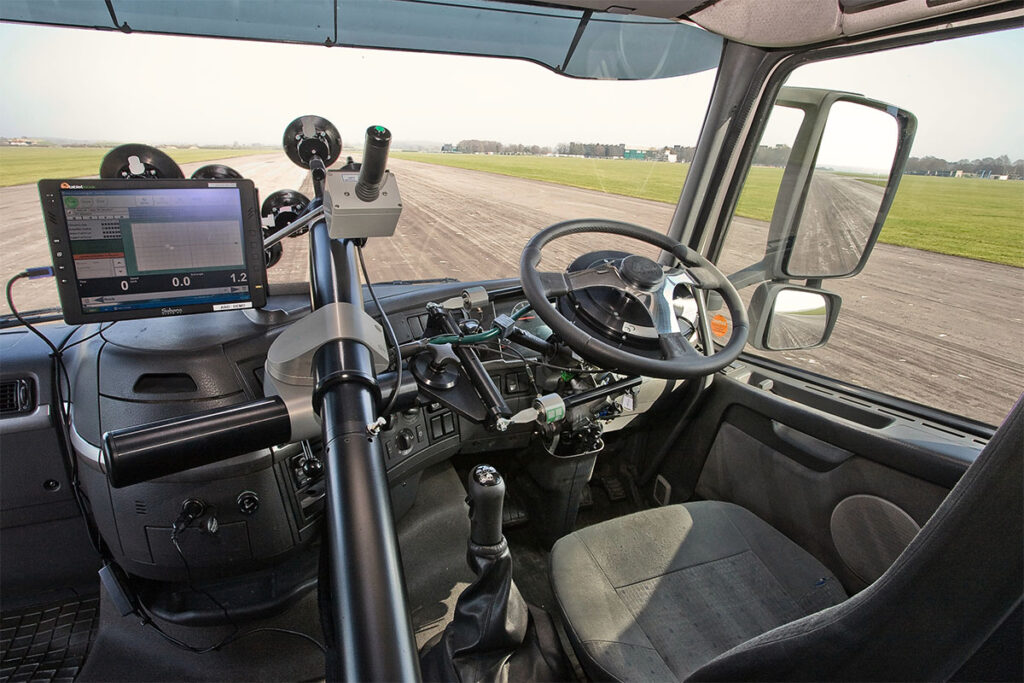
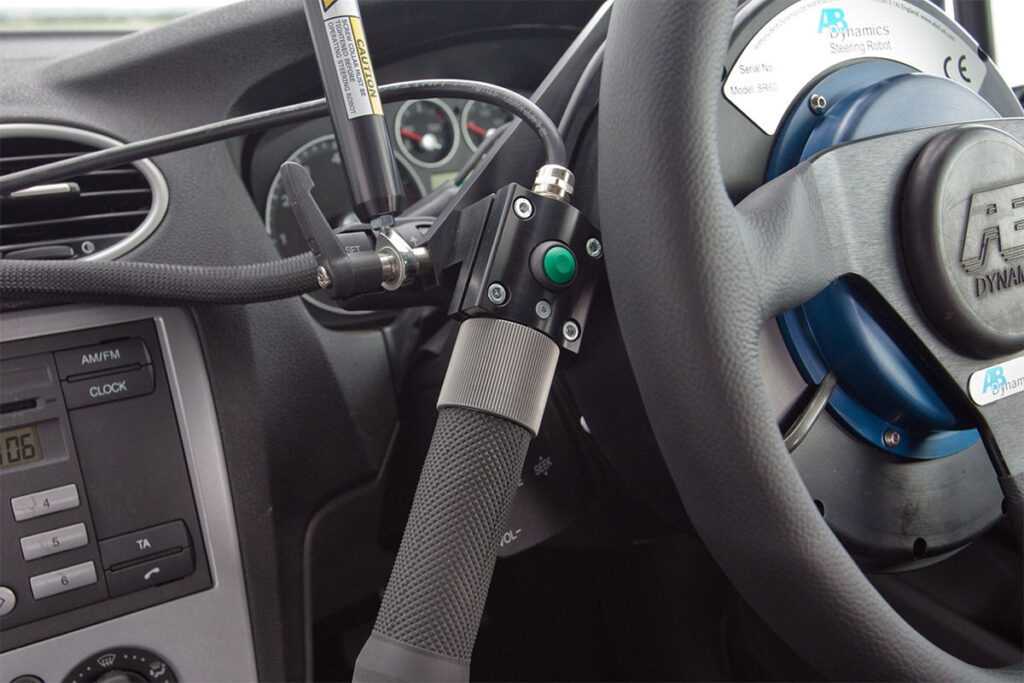
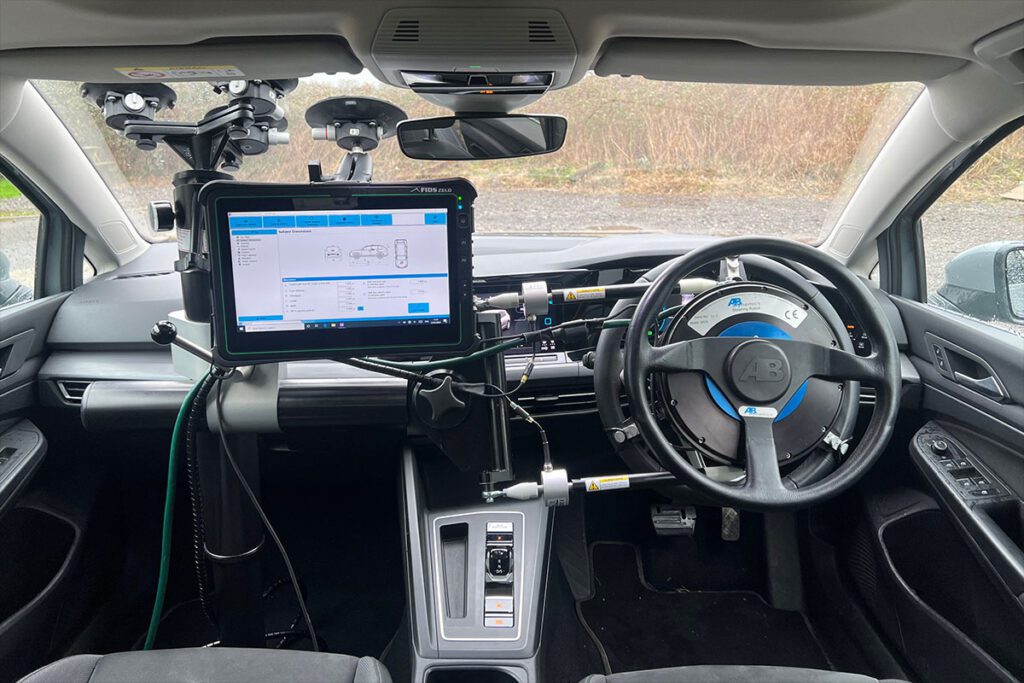
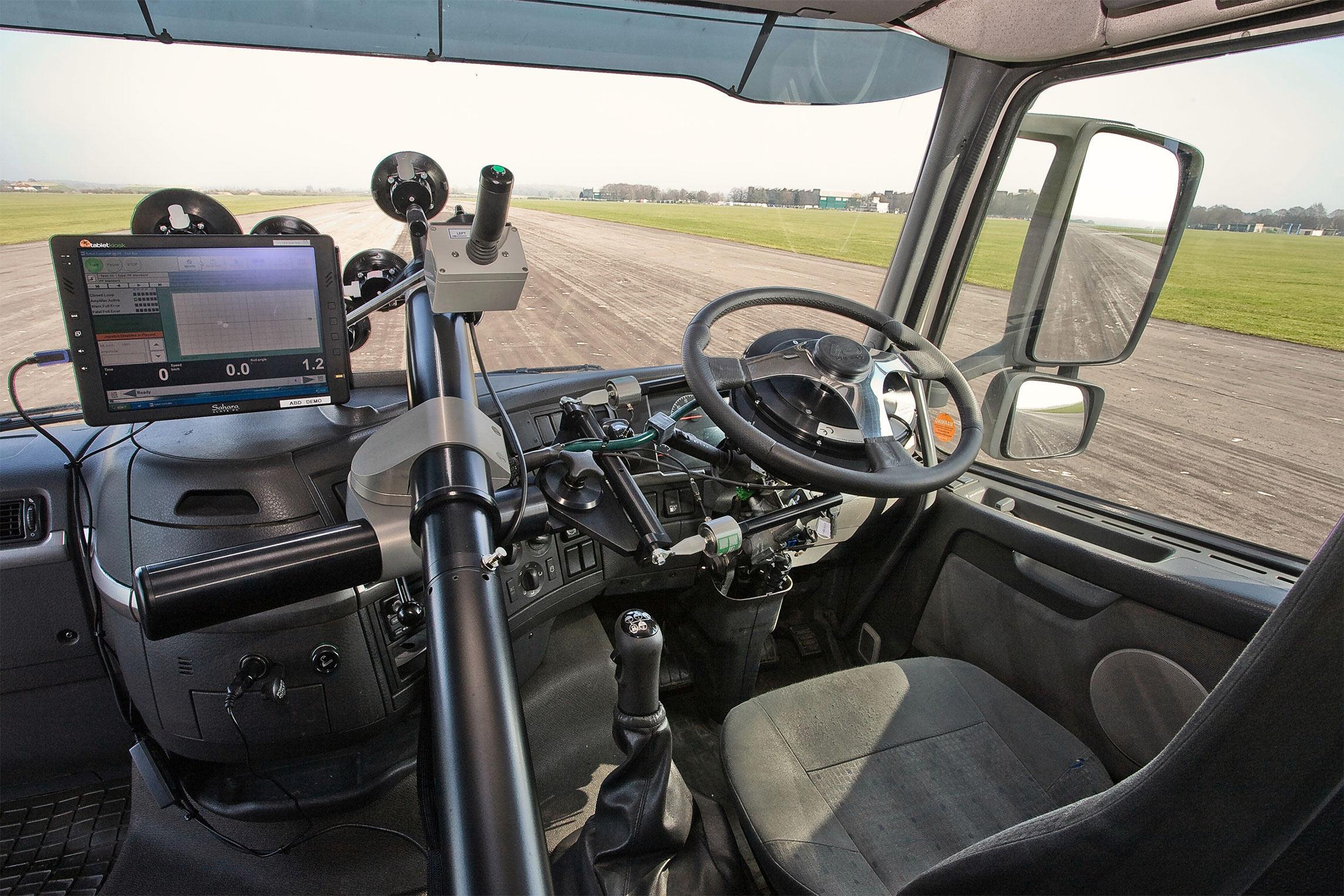
With unrivalled steering torque the SR 150 can test power-steering failure in heavy vehicles as required for UNECE R79. The robust and reliable design makes it the ideal partner for heavy vehicle testing.


With unrivalled steering torque the SR 150 can test power-steering failure in heavy vehicles as required for UNECE R79. The robust and reliable design makes it the ideal partner for heavy vehicle testing.
A testament to our commitment to developing cutting-edge solutions for heavy vehicle testing, the SR 150 was designed for testing power-failure situations in trucks and buses – a common homologation requirement – meaning that is has the highest torque of any of our robots. The SR 150 can also be used for a wide range of other handling tests.
"*" indicates required fields
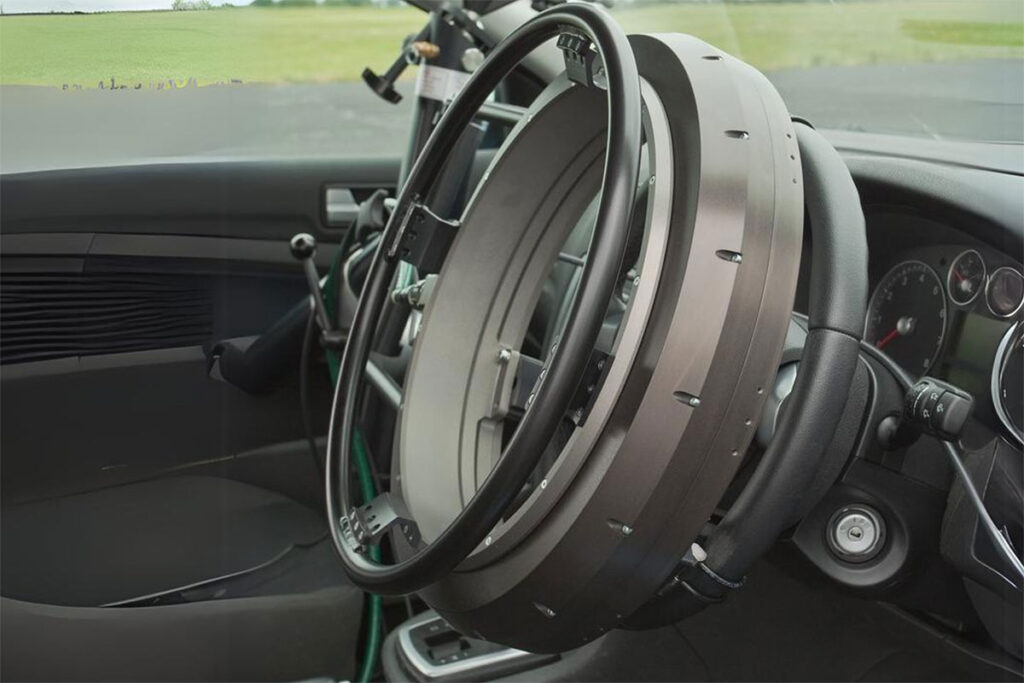
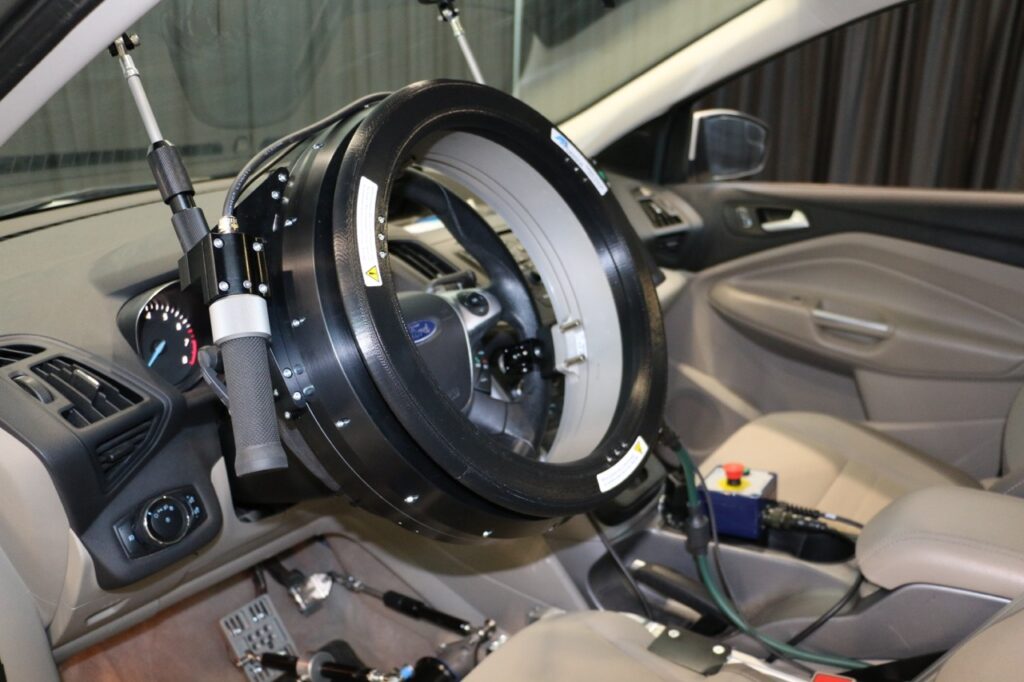
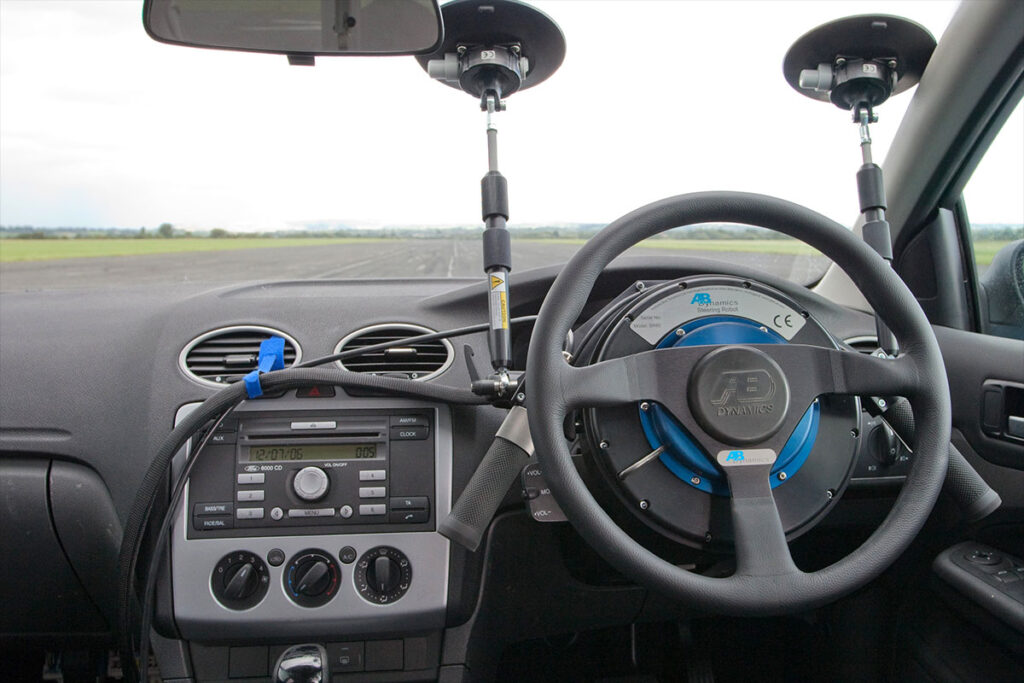
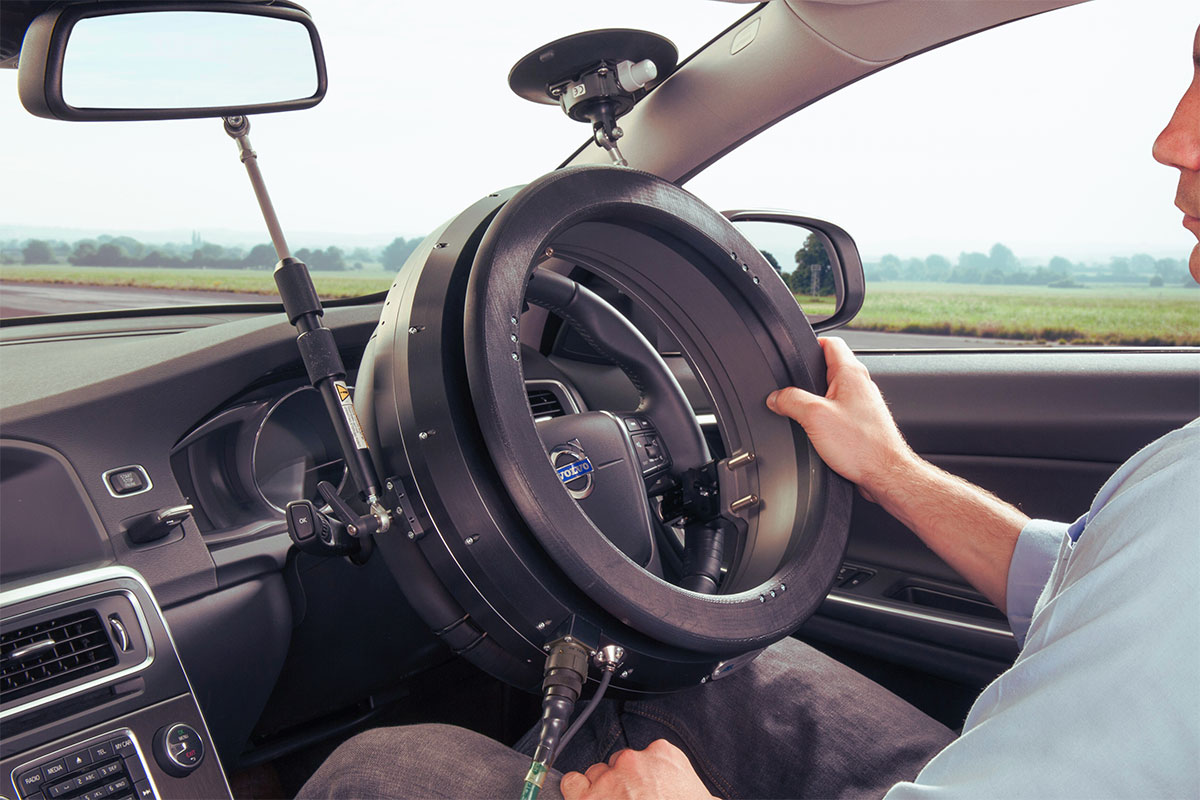
The SR 60 Torus combines the advantages of direct drive and hollow centre motors.
The SR 60 Torus offers the best of both worlds. Its hollow centre means that it can be installed without removing the airbag, while its direct drive motor makes it quieter and smoother than any geared robot.
"*" indicates required fields
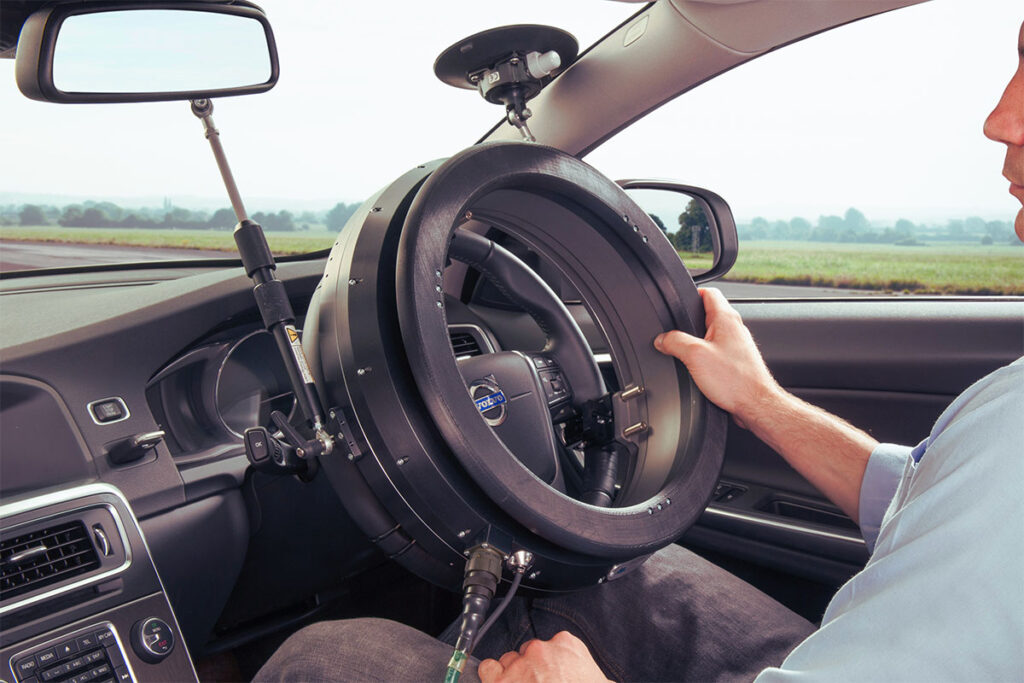
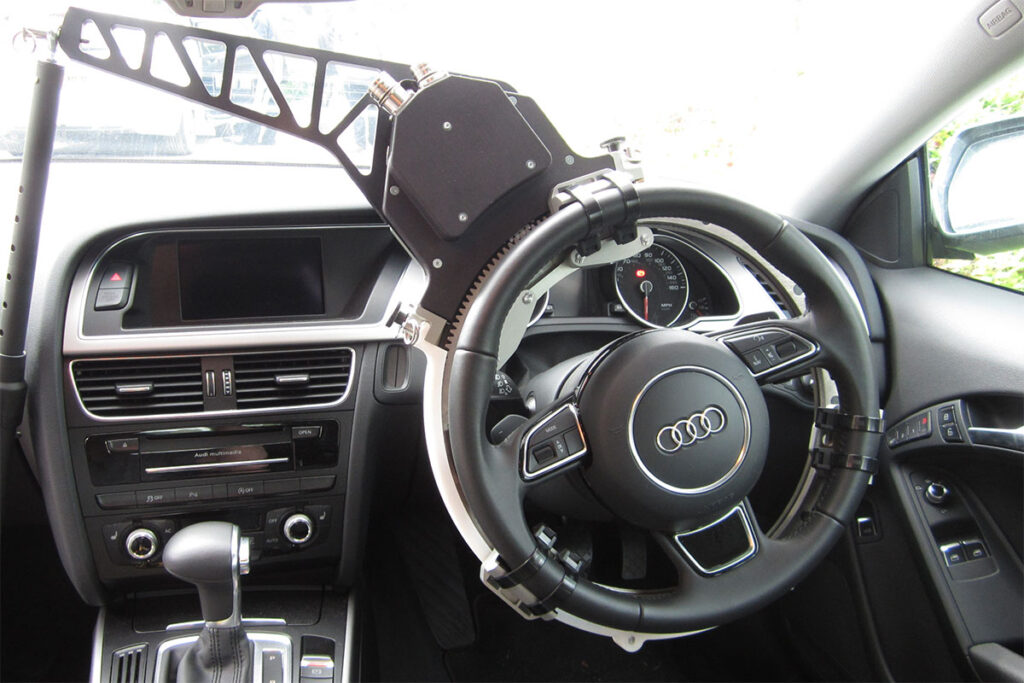
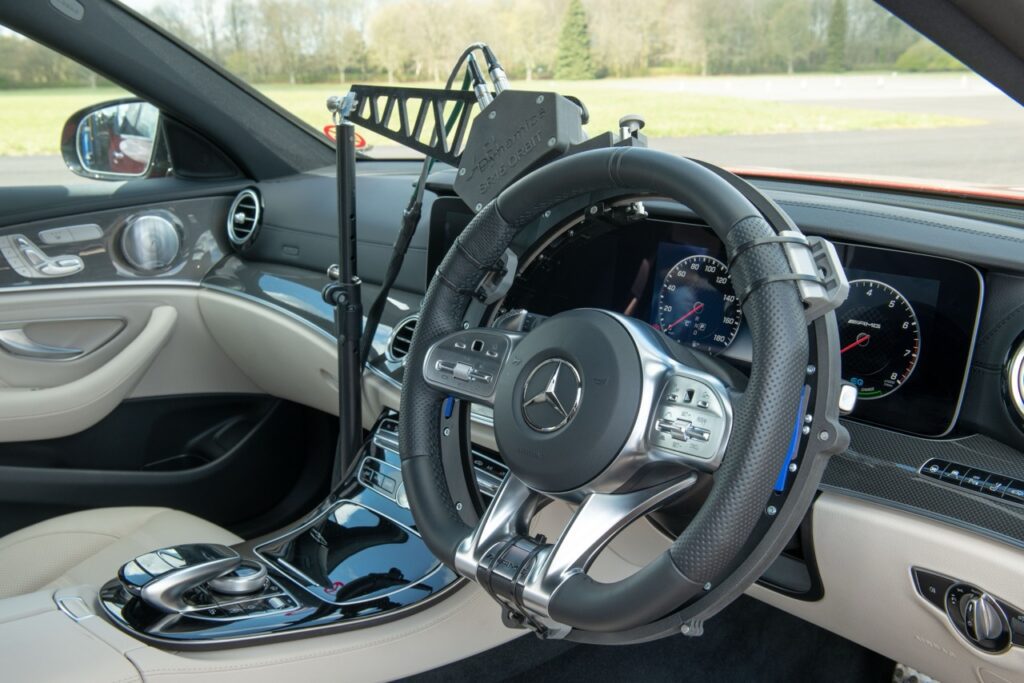
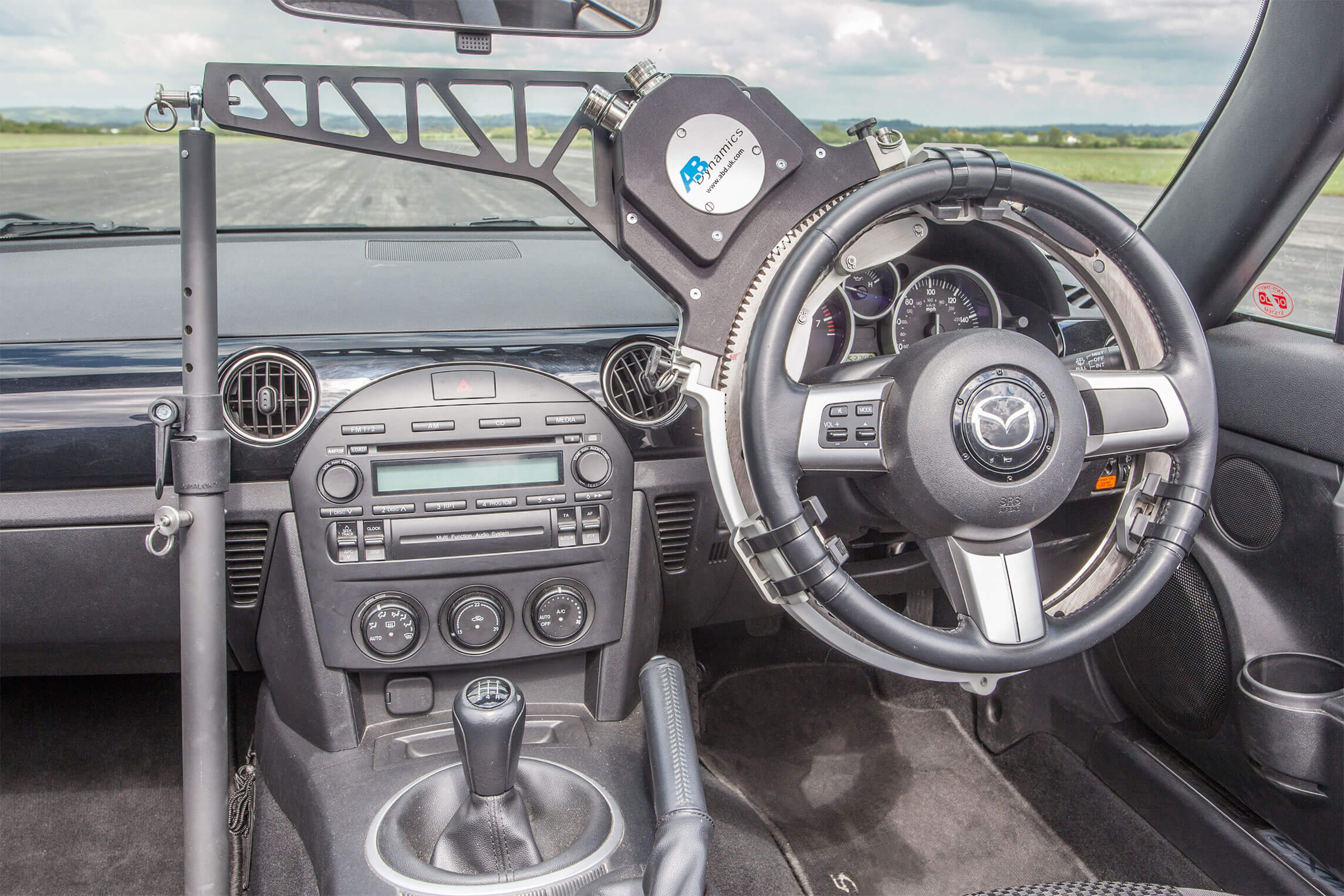
A geared steering robot that can be installed without removing the airbag, the SR 60 Orbit is ideal for vehicles with limited space.
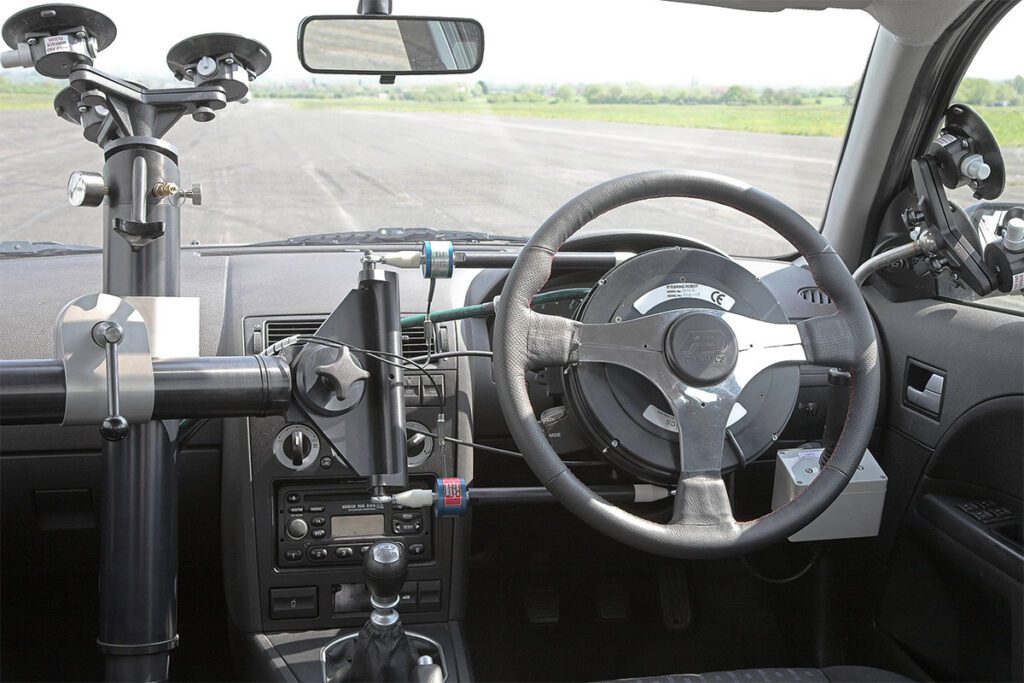
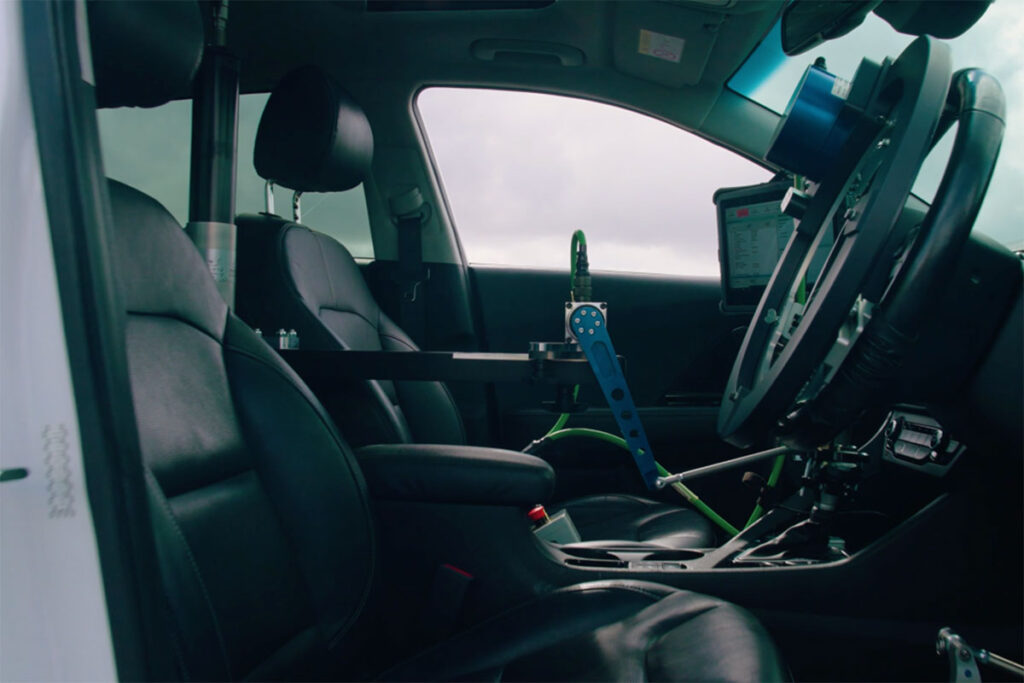
The SR 60 Orbit delivers the high torques necessary for limit testing and can be installed in vehicles without removing the steering wheel airbag. The gear ring can be separated into two halves, offering the option of ergonomic mounting behind the steering wheel. This prevents the obstruction of sensors and allowing full access to the steering controls. Alternatively, the SR 60 can be mounted in front of the rim to avoid interference with the dash or stalks. The SR 60 is suitable for a wide range of testing including legislative tests such as the fishhook and sine-dwell manoeuvres.
"*" indicates required fields
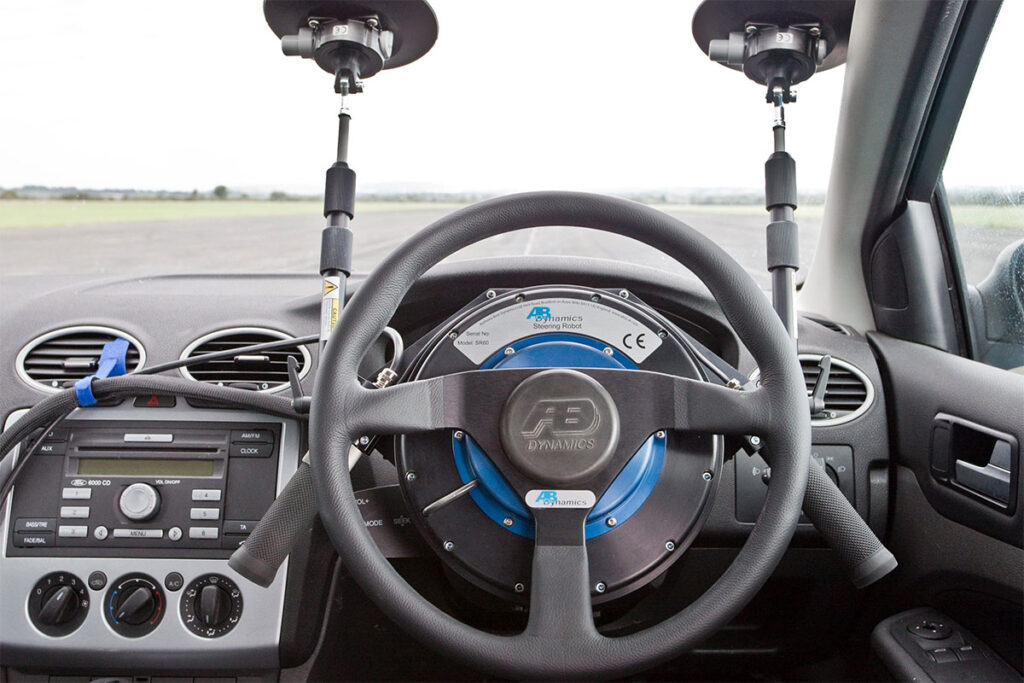
The SR 60 is a high-performance steering robot that can handle the most demanding tests such as fishhook and sine-dwell manoeuvres.
Designed specifically for high-power tests such as those that employ fishhook and sine-dwell manoeuvres, the SR 60 is a best-seller, used worldwide by OEMs and test houses. With a maximum speed of 2500°/s, the SR 60 can apply steering inputs that exceed the capabilities of human drivers.
"*" indicates required fields
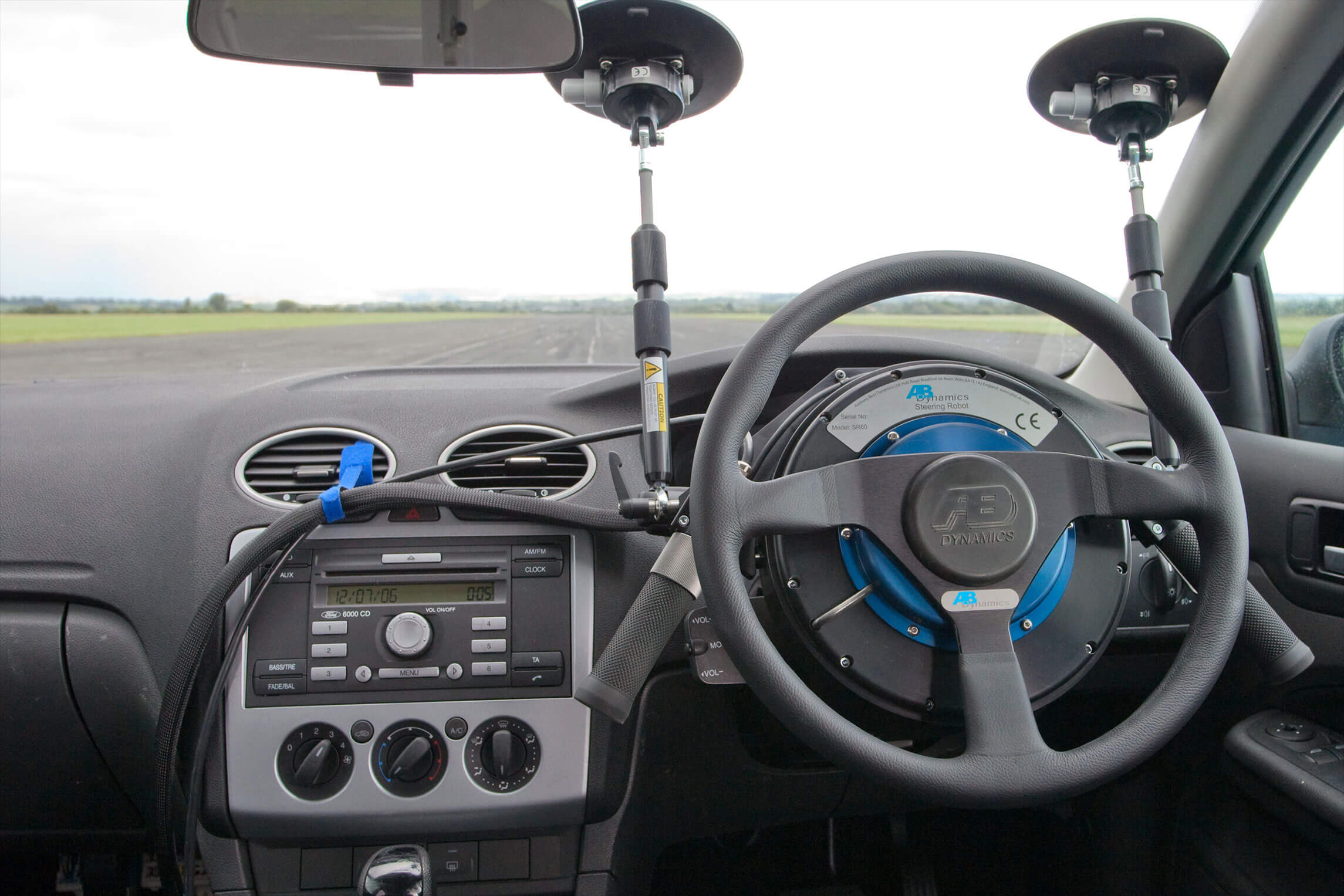
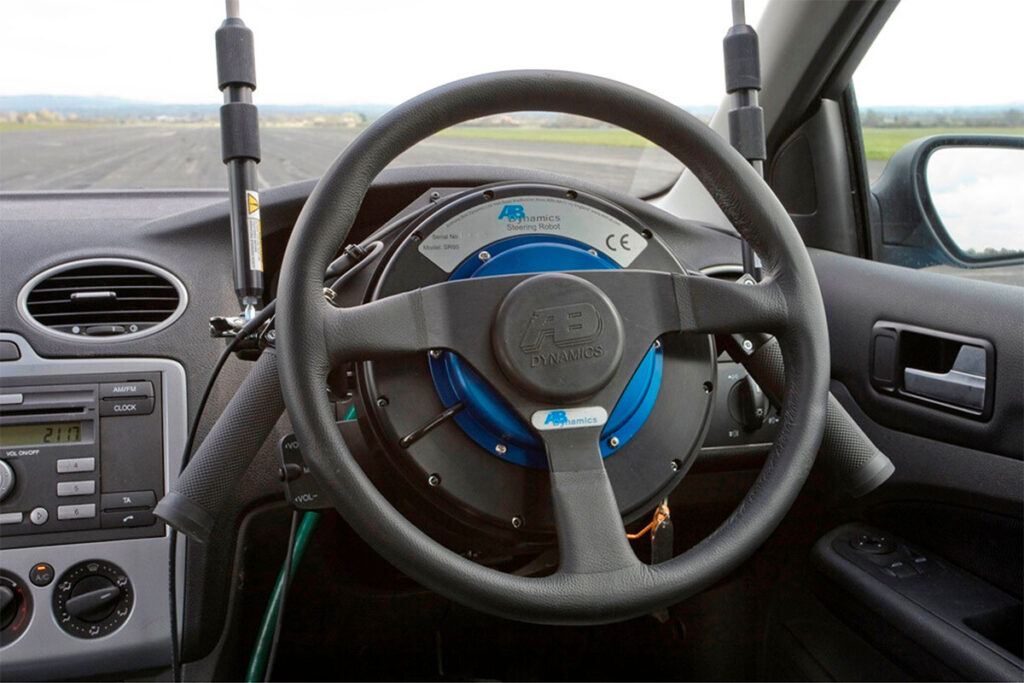
Precision steering control through direct-drive, the SR 35 is a lightweight and compact steering robot.
The SR 35 uses a lighter, thinner version of the SR 60 motor to provide ample performance for typical driving scenarios and vehicle dynamics tests. It has the lowest combination of rotational inertia and motor bearing friction of our range, making it a popular choice for Lateral Support Systems (LSS) testing.
"*" indicates required fields
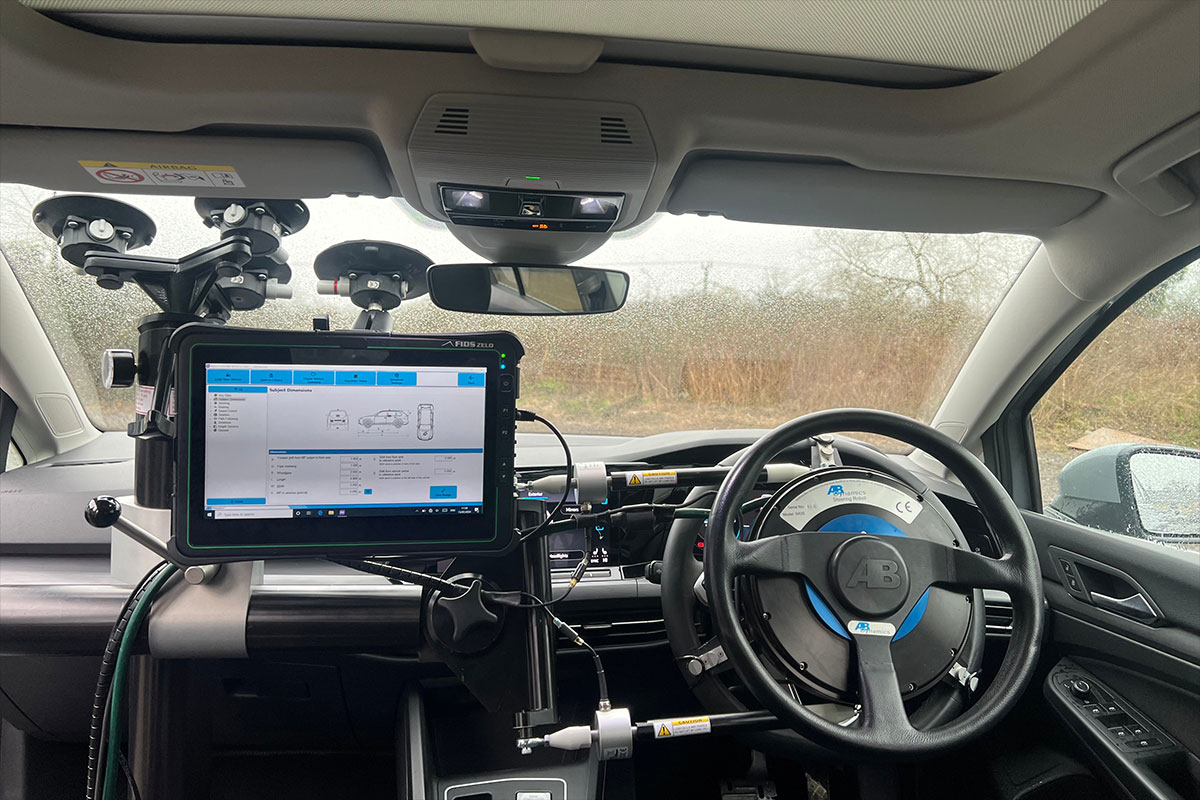
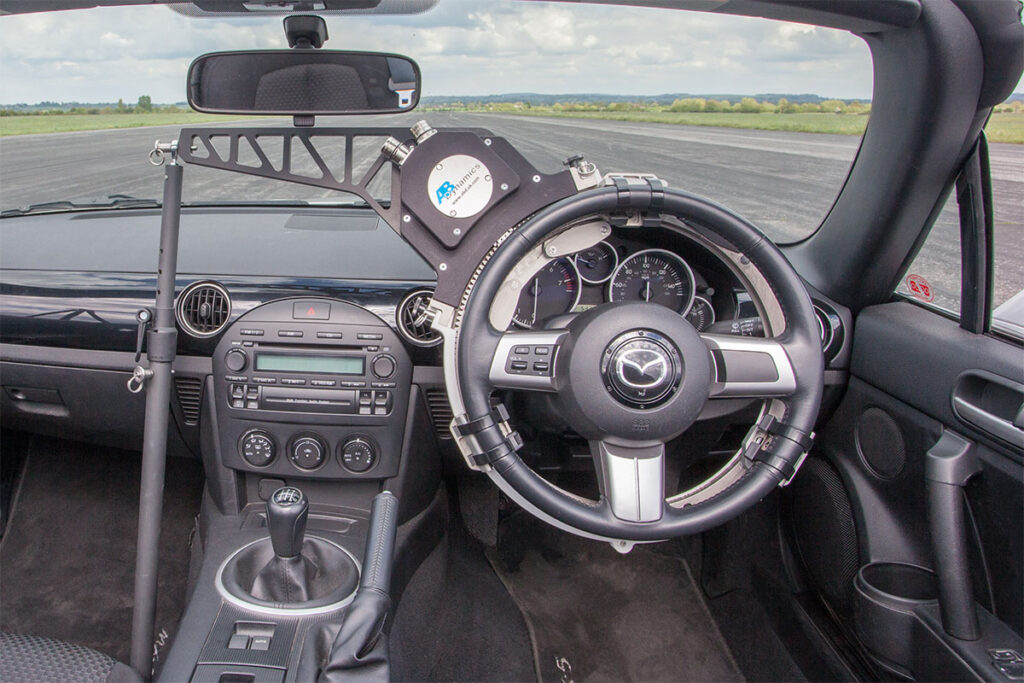
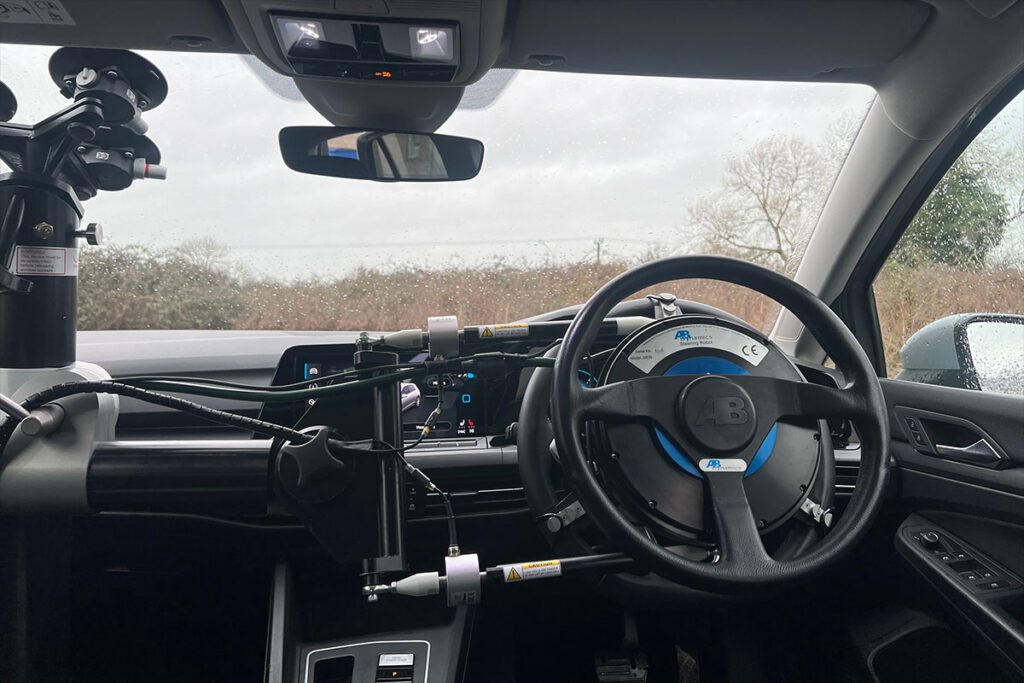
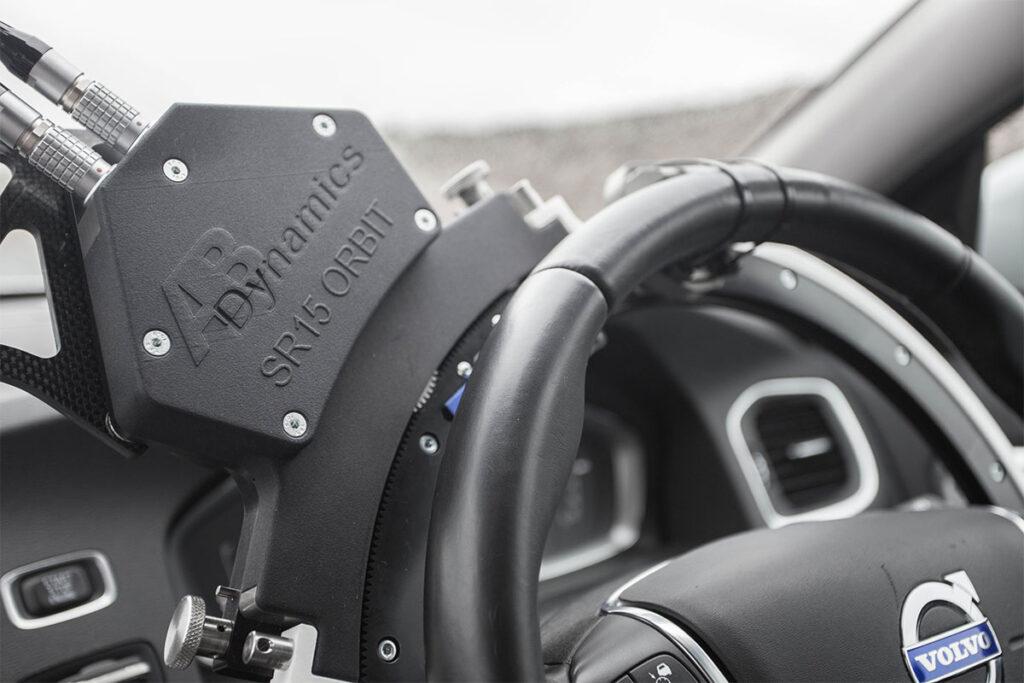
A flexible steering robot that adapts to different wheel rims and test scenarios. The SR 15 Orbit has a lightweight motor and a split-gear design for optimal performance and practicality.
Using the same lightweight motor as the SR 15 combined with the split-gear design of the SR 60 Orbit, the SR 15 Orbit can be installed behind the steering wheel rim providing excellent driver ergonomics preventing the obstruction of sensors and allowing full access to the steering controls. Alternatively, it can be mounted in front of the rim to avoid interference with the dash or stalks.
"*" indicates required fields
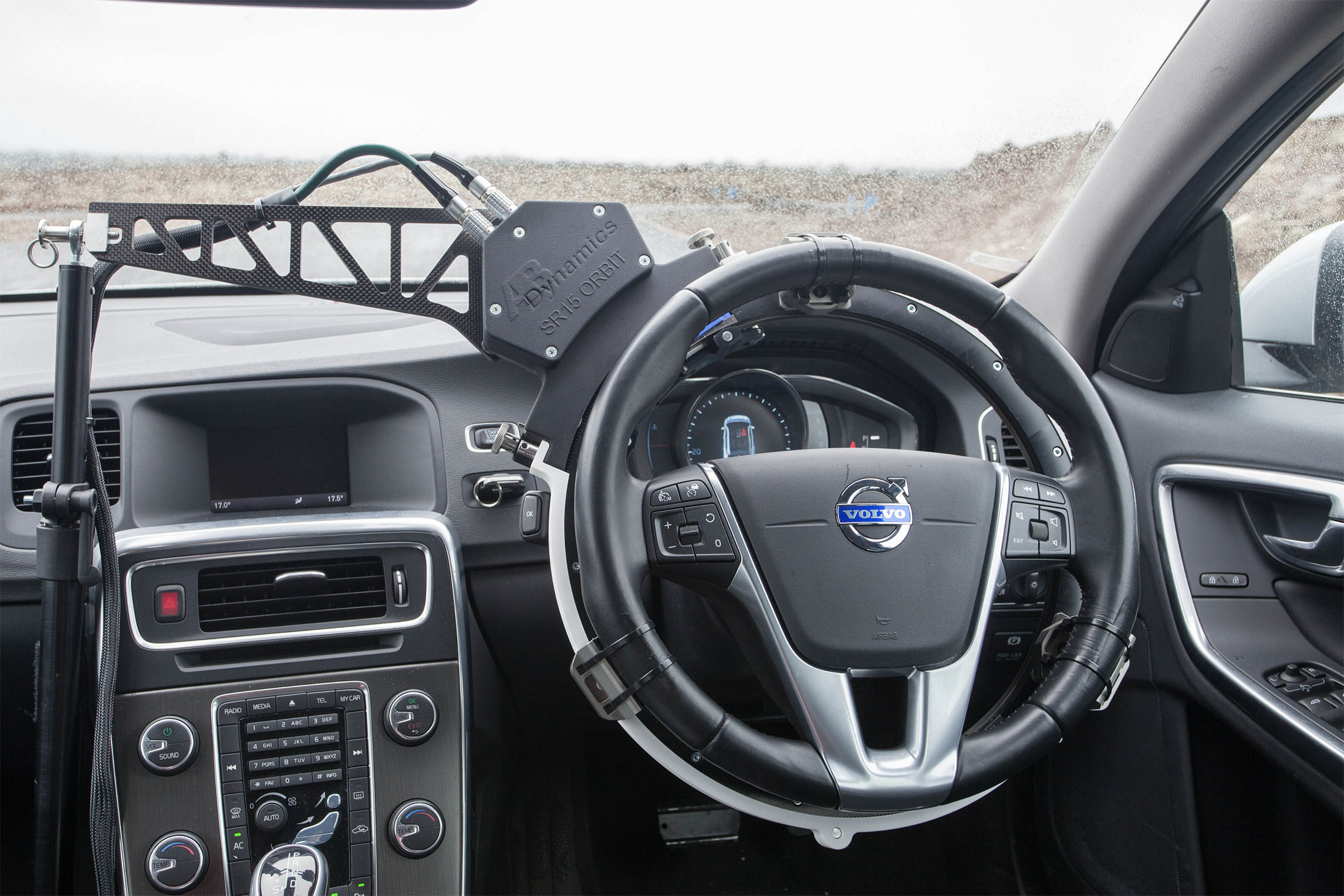
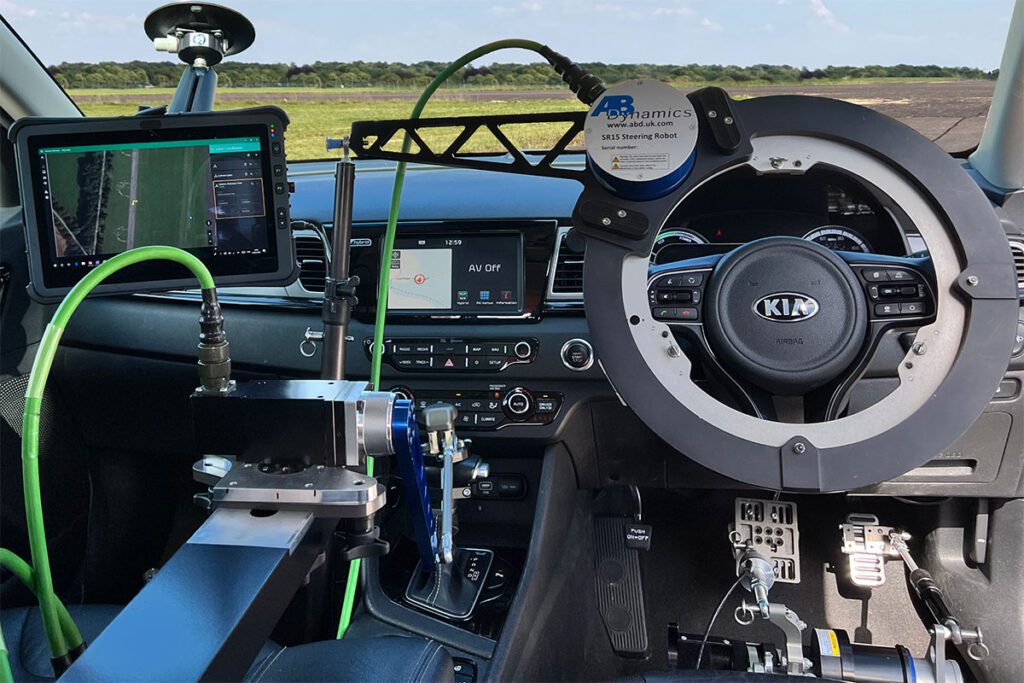
A compact and versatile steering robot that can be easily installed in any vehicle, directly to the steering wheel, without the need to remove the airbag.
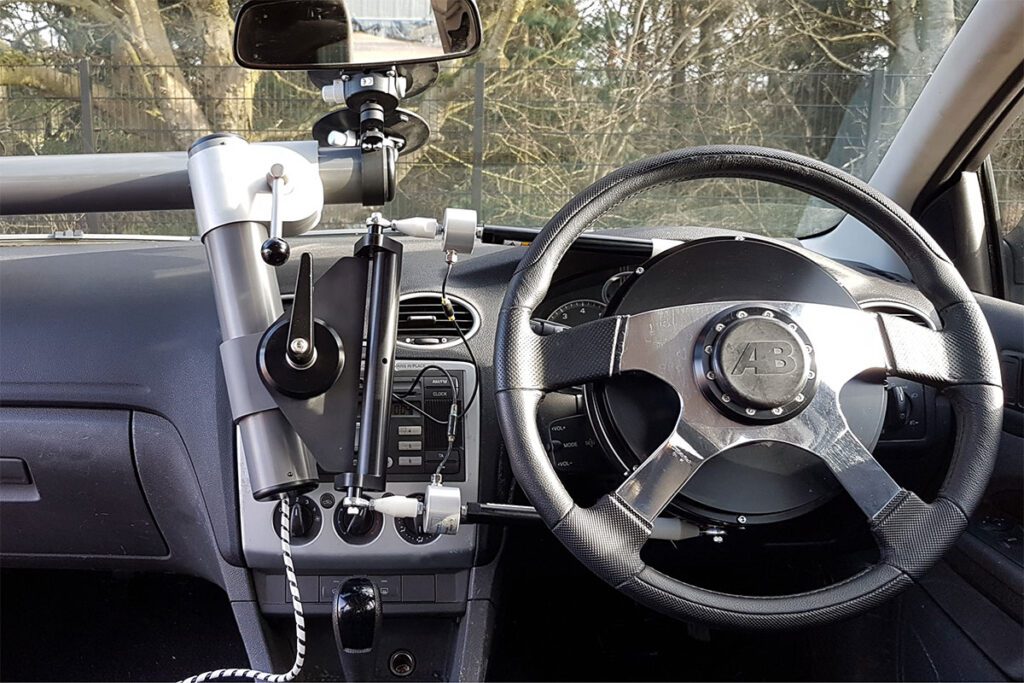
The SR 15 is a lower cost solution and provides a cost-effective option when multiple robot-controlled vehicles are used, such as multi-vehicle driverless applications. The SR 15 was designed to easily attach to a vehicle’s steering wheel without removing the airbag and benefits from low friction, making it a very popular choice for ADAS testing as well as durability applications.
"*" indicates required fields
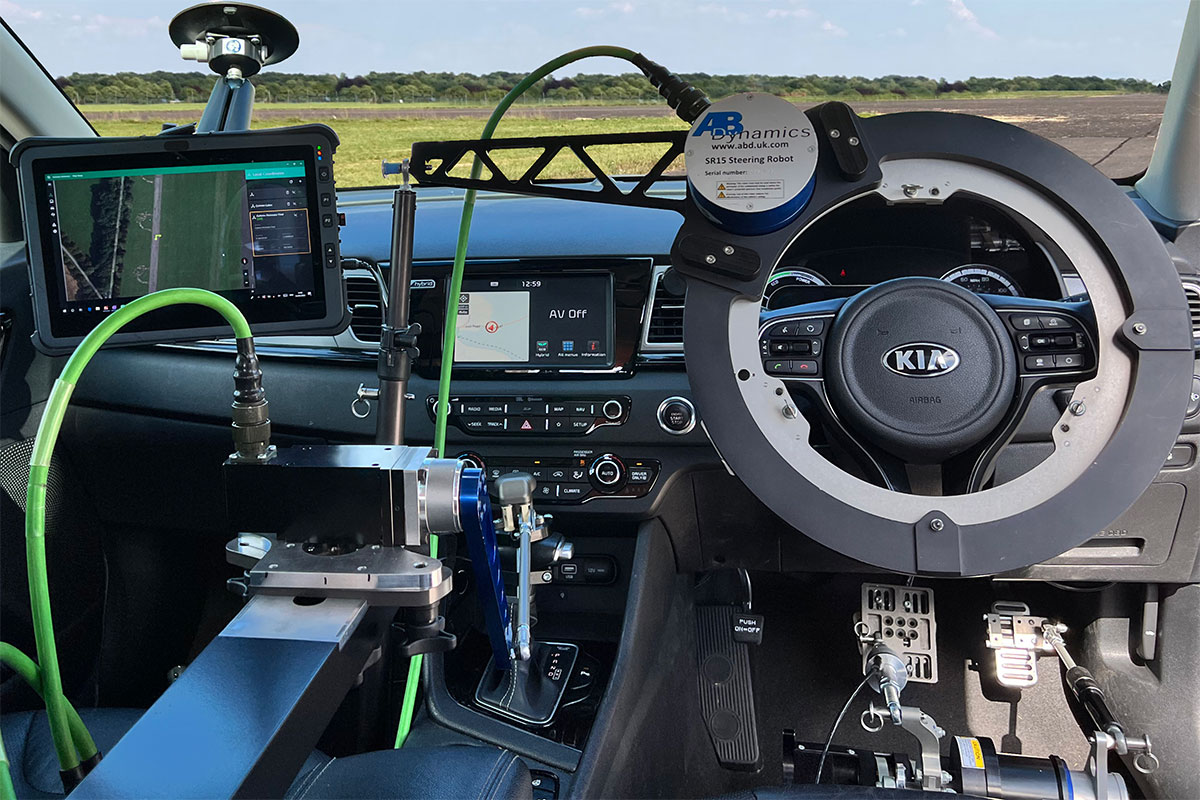
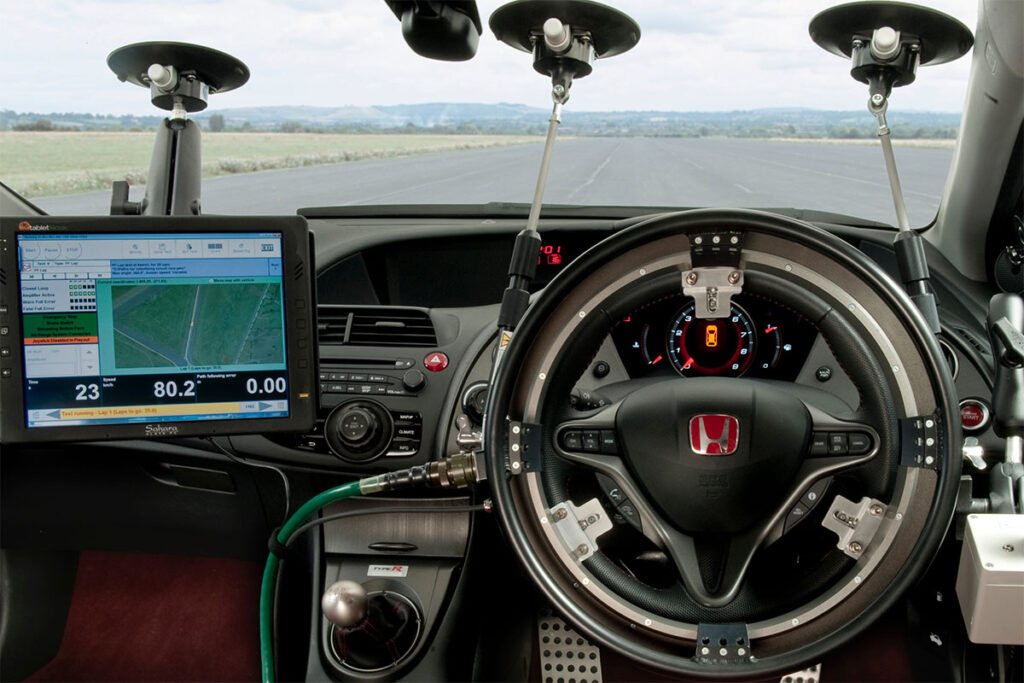
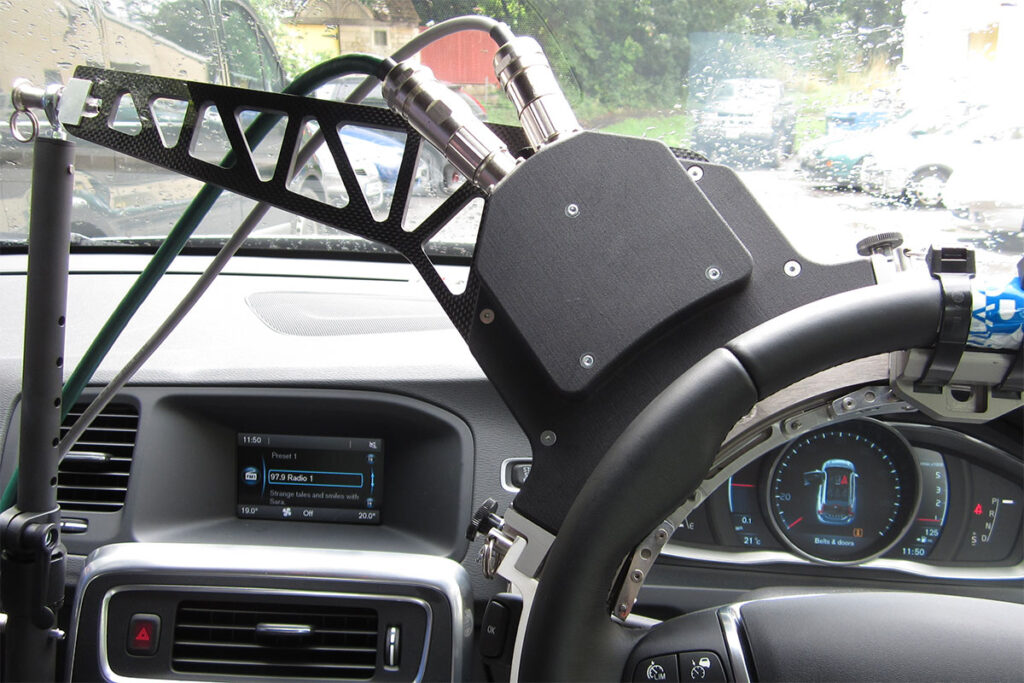
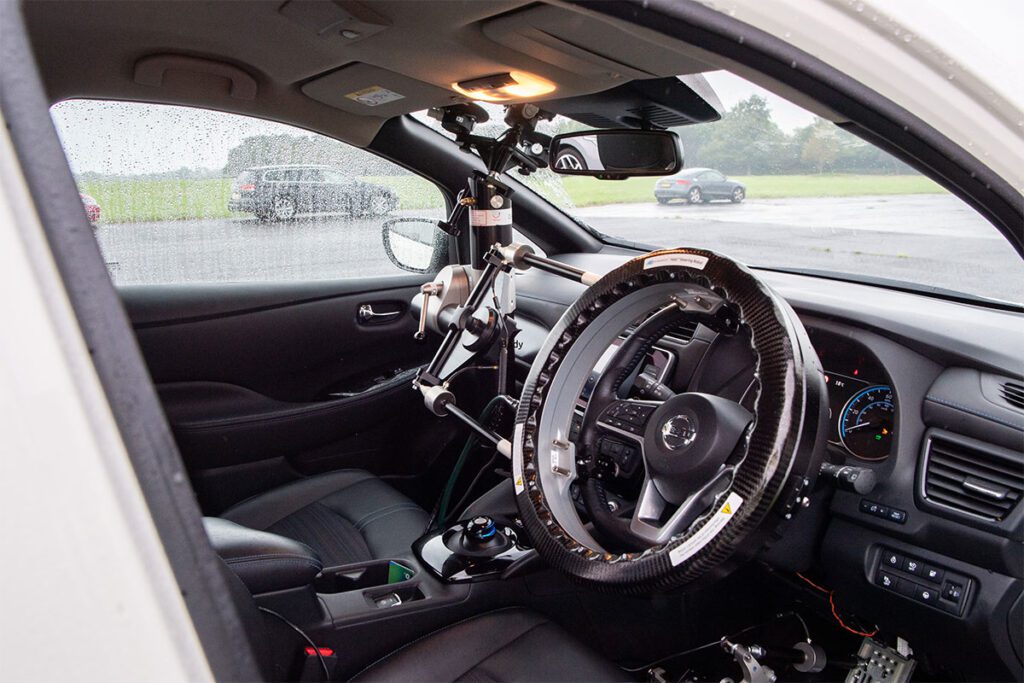
Benefiting from over 20 years of robot design evolution, the Halo steering robot is designed to support a variety of steering tests with high accuracy and repeatability.
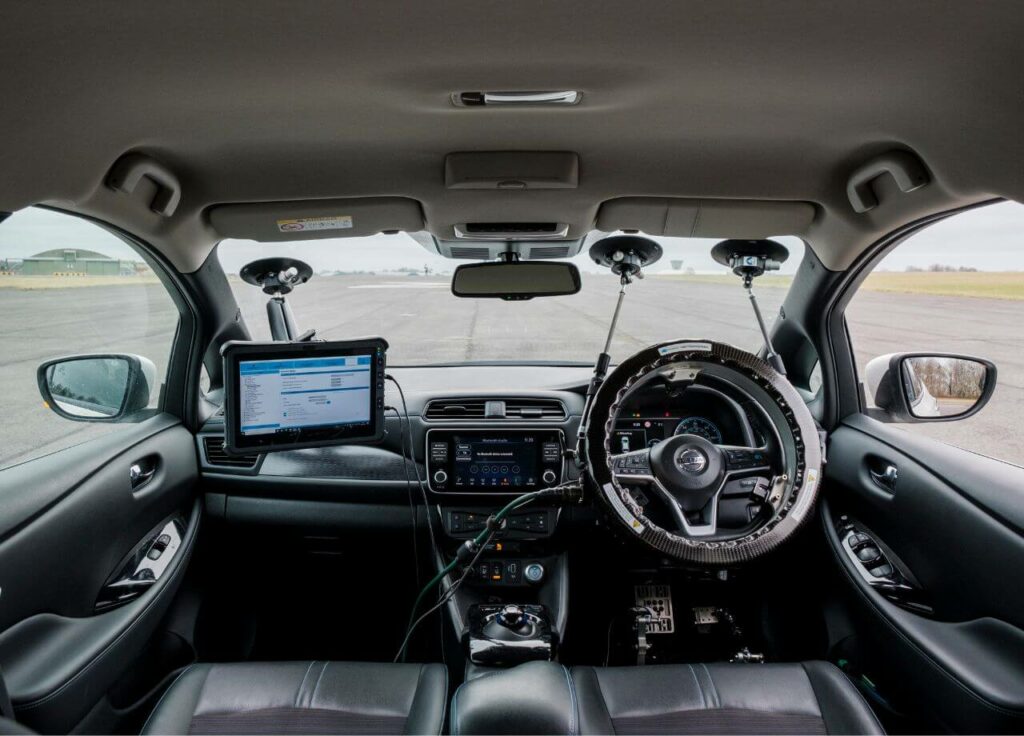
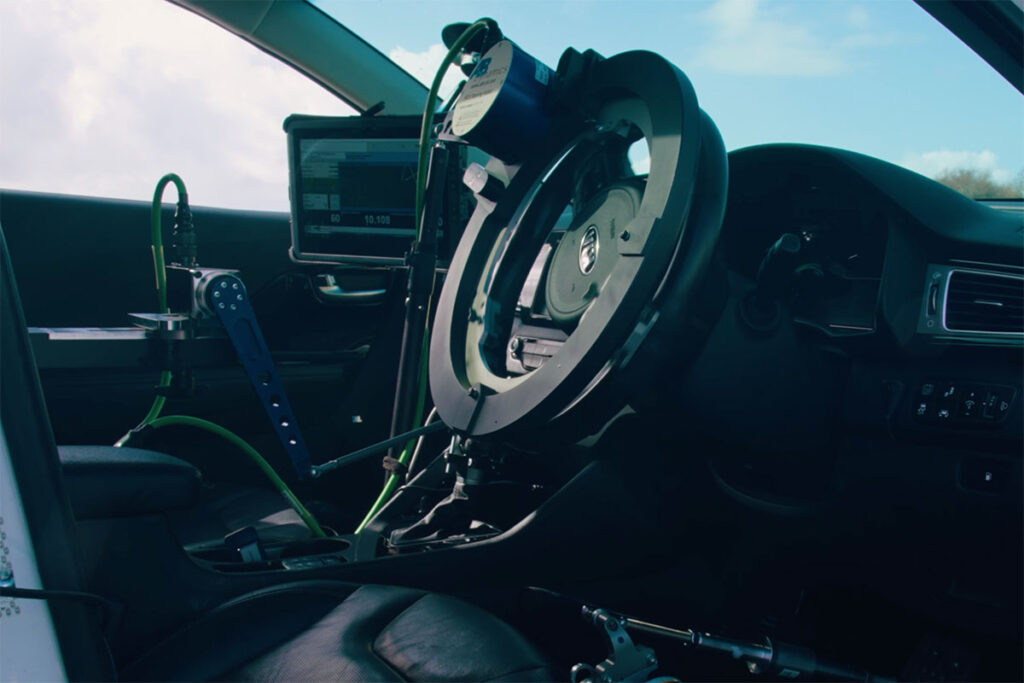
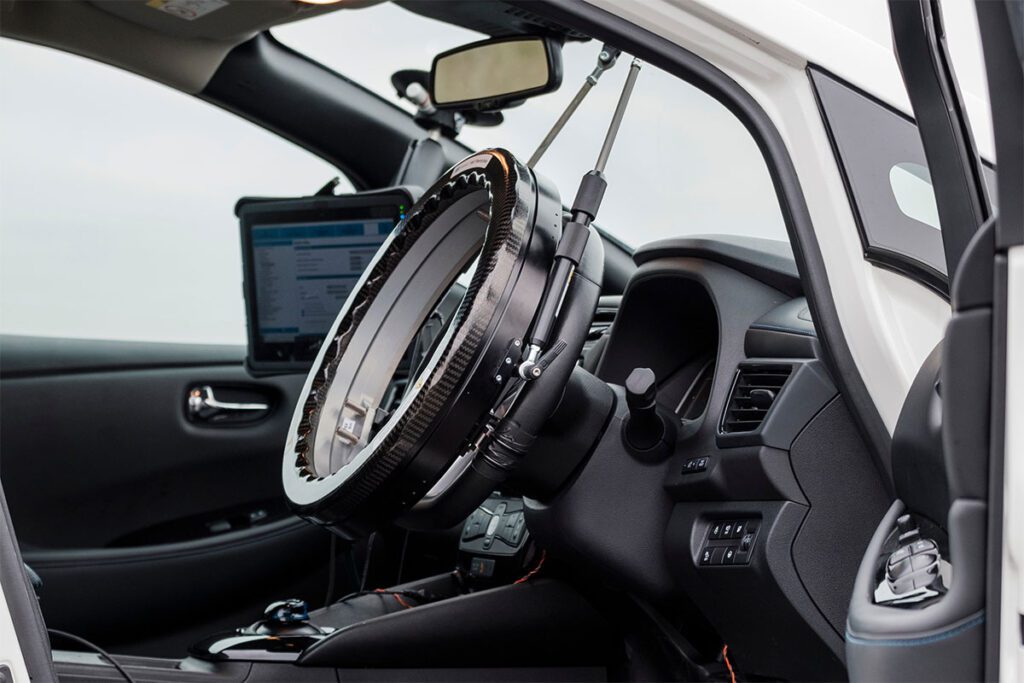
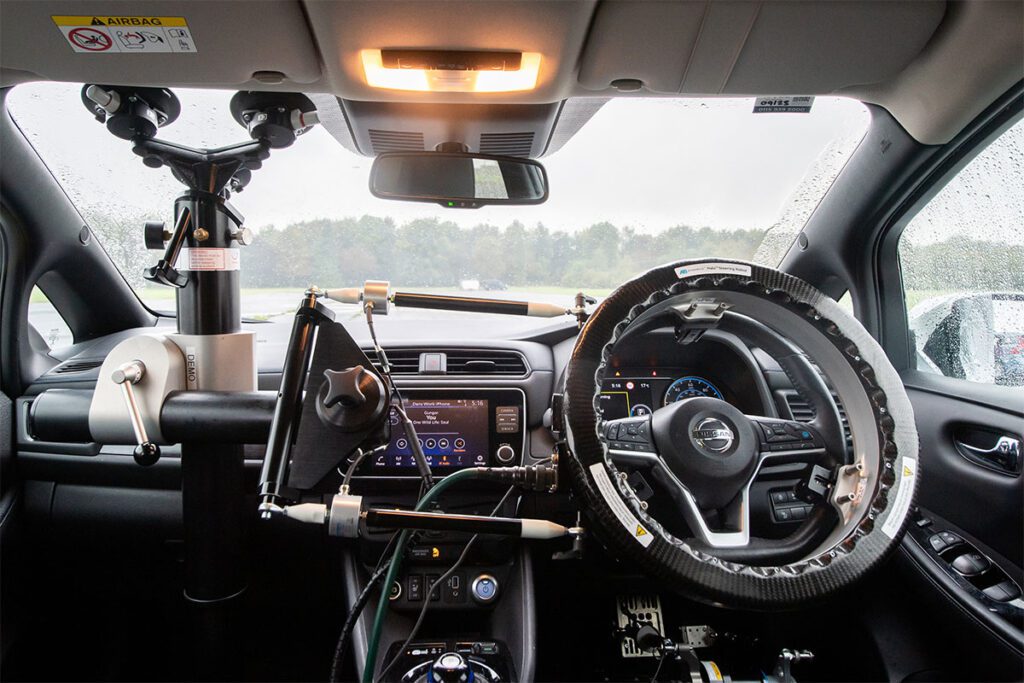
The Halo is our most flexible and versatile steering robot to date. Its unique patented design with direct-drive hollow centre allows installation without removing the airbag, making it easy to set up and use safely. With a carbon fibre steering rim and an innovative wrap-around design, it can achieve a peak torque of 90 Nm and a peak rotational speed of 2500 degrees per second. This allows the Halo to apply accurate, controlled inputs to a vehicle’s steering system as required for a wide range of tests.
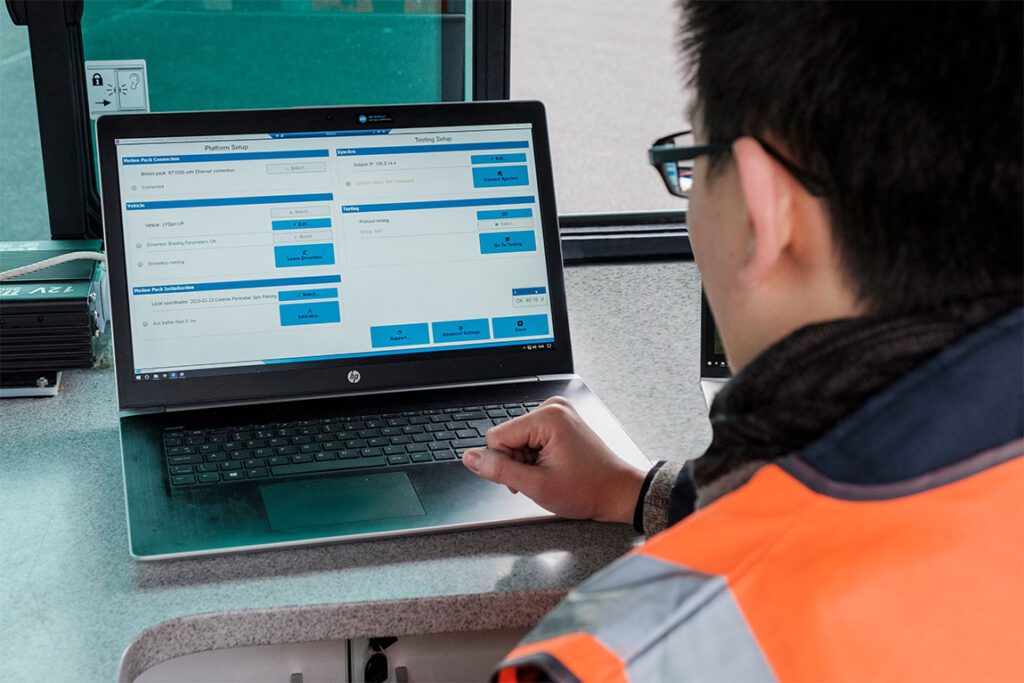
Manoeuvres are programmed using Robot Controller (RC) Software, which seamlessly manages the planning, execution, and review of track tests using our driving robots. In combination with RC Software, whether it is for transient handling behaviour, ADAS testing, legislative tests (fishhook, sine-dwell etc.), steering system evaluation, durability or misuse testing, the Halo can handle it all.
"*" indicates required fields
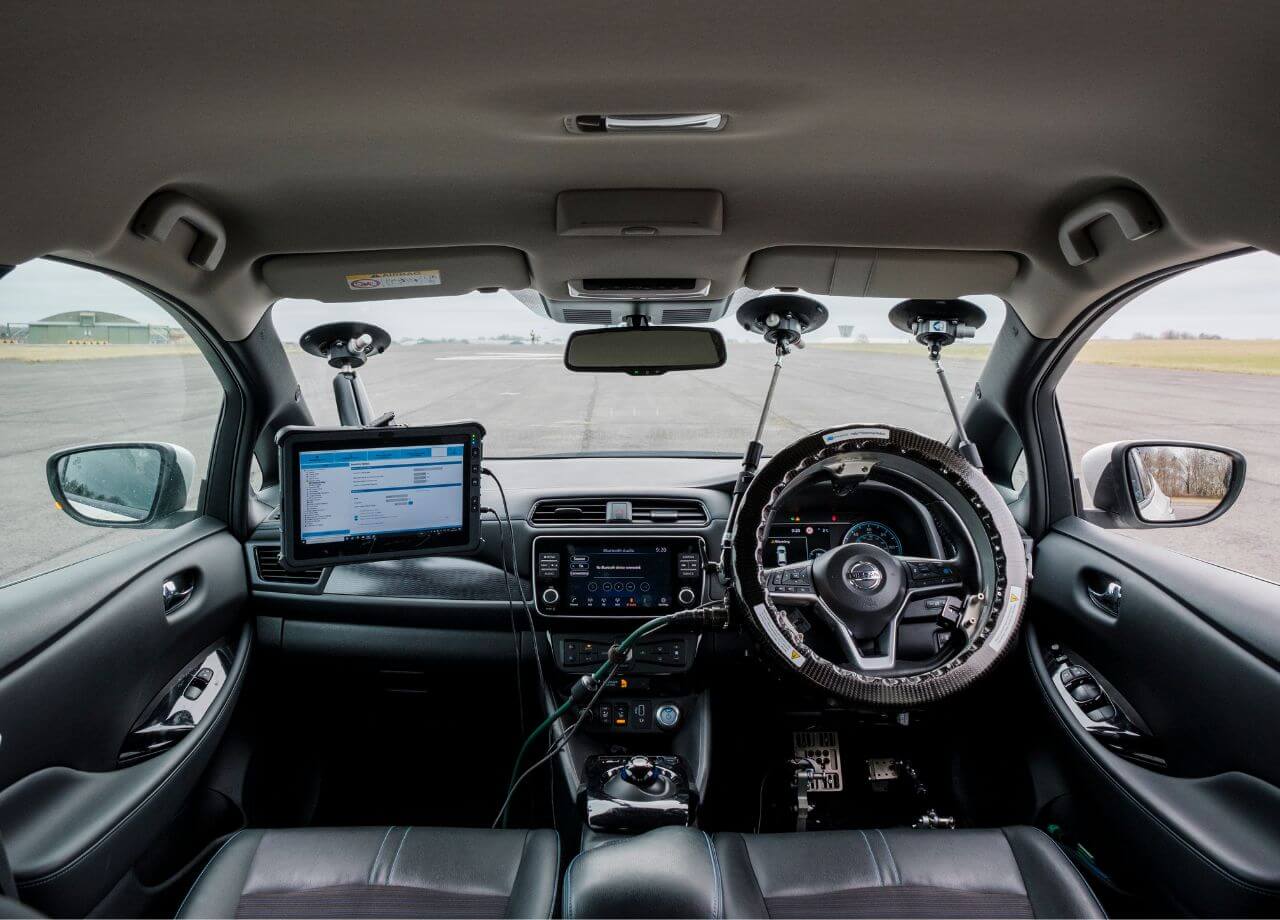
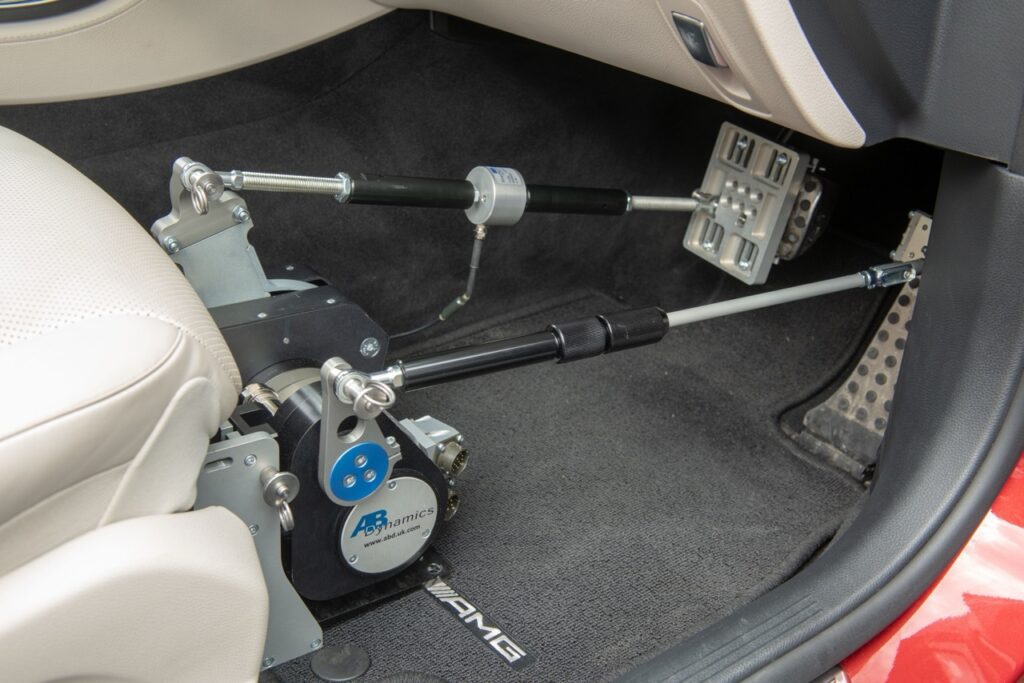
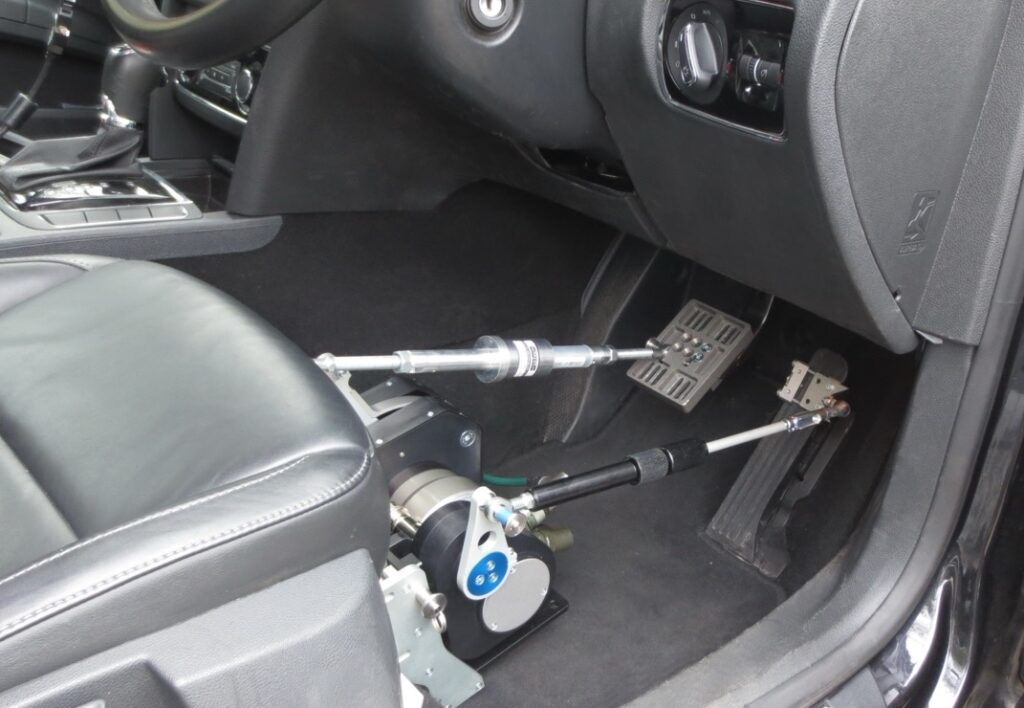
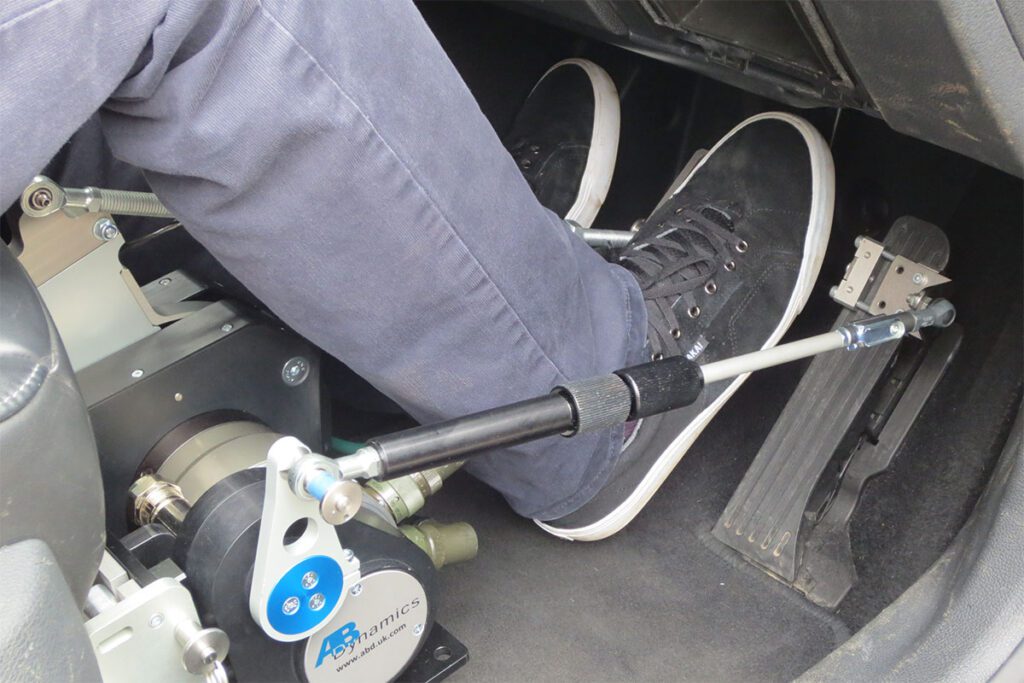
Offering the same brake performance as the CBAR 600 but in a more compact package, the CBAR 600L is ideal for AEB tests and other ADAS testing.
With a lower-profile actuator for improved driver ergonomics, the Combined Brake and Accelerator Robot (CBAR) 600L is a development of the original CBAR 600. With a more compact footprint, it is more comfortable for a driver, especially in vehicles with lower seating positions.
Like the CBAR 600, the CBAR 600L can perform vehicle speed control tests with precision, reliability, and efficiency, and can also be easily configured and controlled with our RC Software, which offers predefined templates for C-NCAP, Euro NCAP, JNCAP, NHTSA test scenarios and UN requirements, as well as custom options. Not only does this functionality save time and effort for the operator but also gives more flexibility and control over test criteria.
"*" indicates required fields
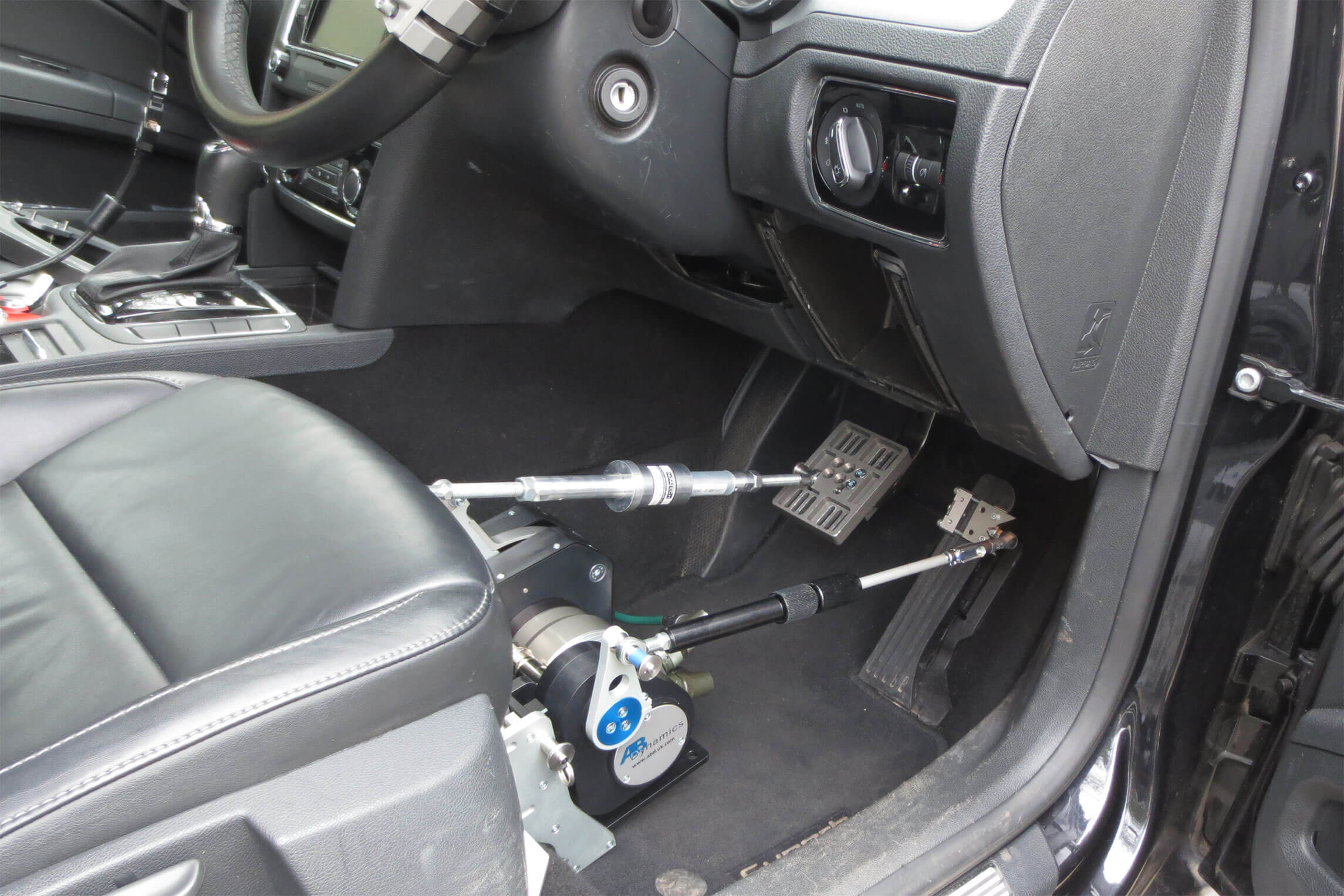
Enhancing driving robot capabilities with precision and accuracy.
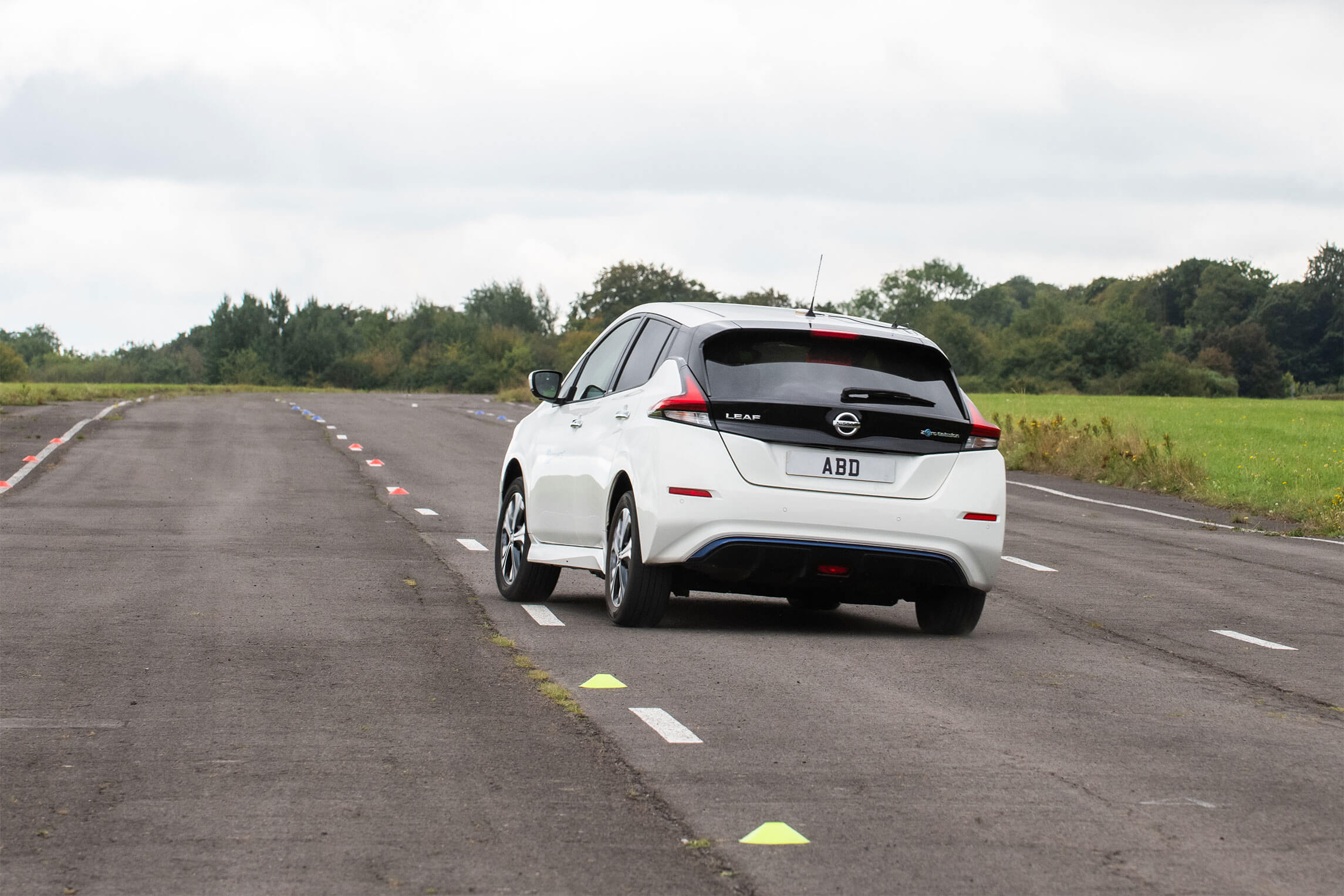
AB Dynamics’ Path Following module (an optional feature for robot users) is a major enhancement to the capabilities of our driving robots and ADAS platforms. Utilising the GNSS inertial navigation systems in our robot-driven vehicles and ADAS platforms, it guides them along a pre-defined path with exceptional accuracy and repeatability. With over 20 years of experience, the latest Path Following algorithm has been used for high-performance testing, including steady-state cornering, double lane-changes, complete laps of the Silverstone race circuit, and a high speed, high precision crash test for NASCAR.
"*" indicates required fields
You need to load content from reCAPTCHA to submit the form. Please note that doing so will share data with third-party providers.
More Information